Back to eyeglasses and eyewear
Sunglasses and polarized lenses
Sunglasses are eye protection first.
The right pair blocks ultraviolet light, tames glare and fits how you spend time outdoors, in your prescription if you need one.
Look for full UV protection before anything else.
Sun exposure can harm the surface and inside of the eye over time. Eye doctors recommend sunglasses that block all UV light, labeled 100% UV protection or UV400, all year round.
Choosing a pair that works.
Full UV block
Check for 100% UV or UV400 on the label.
Polarized
Cuts glare off water, roads and snow.
Bigger coverage
Larger or wrap styles shield from the sides.
Lens color
Gray feels natural; brown adds contrast.
Sports lenses
Impact-resistant lenses for active days.
Prescription sun
Your exact Rx, in a sunglass lens.
Common myth
Darker is not safer.
A dark tint only dims the light. Protection comes from lenses that block 100% of UV, so read the label rather than judging by how dark the lens looks.
Polarized is about comfort.
Polarization reduces bright reflected glare, which makes driving, boating and golf more comfortable. It does not add UV protection on its own.
Questions to ask about sunglasses.
Can I get my Rx?
Ask which frames can take prescription sun lenses.
Polarized or not?
Best for glare off water, roads and snow.
One pair or two?
Light-adaptive lenses can double as sunwear.
Match the pair to your outdoor life.
Care for your sunglasses.
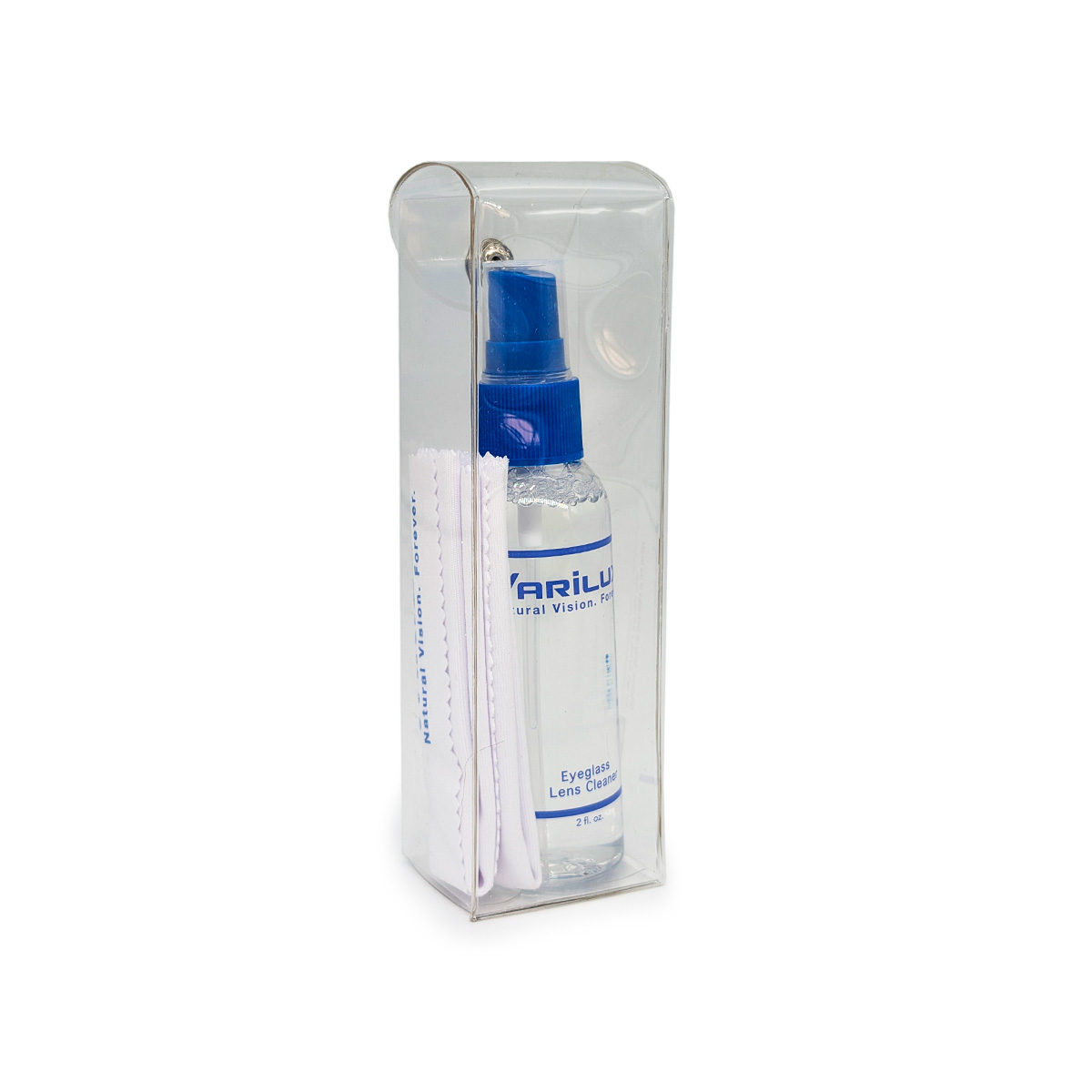
Sun lenses show smudges and fog easily. A good cleaner and cloth keep them clear.
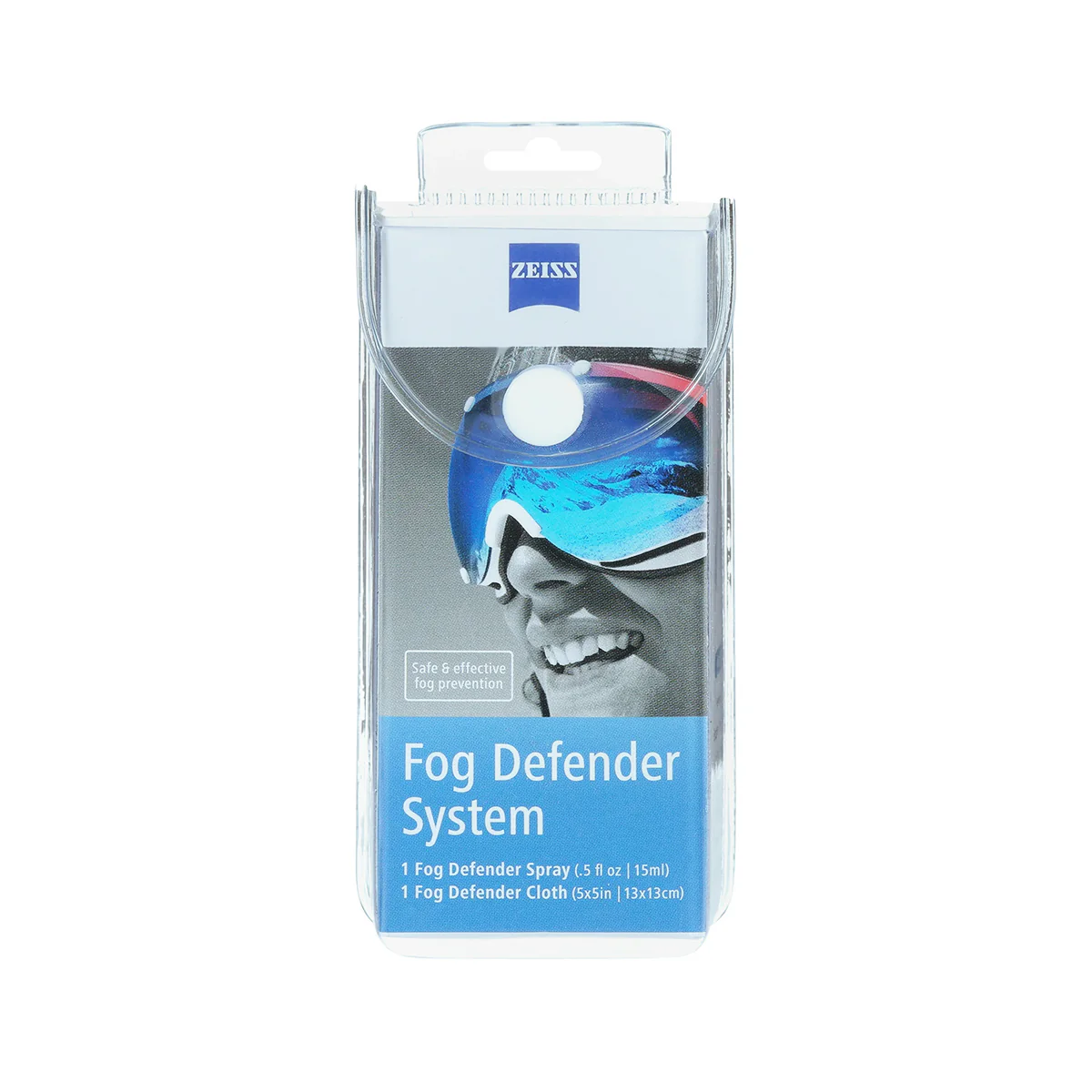
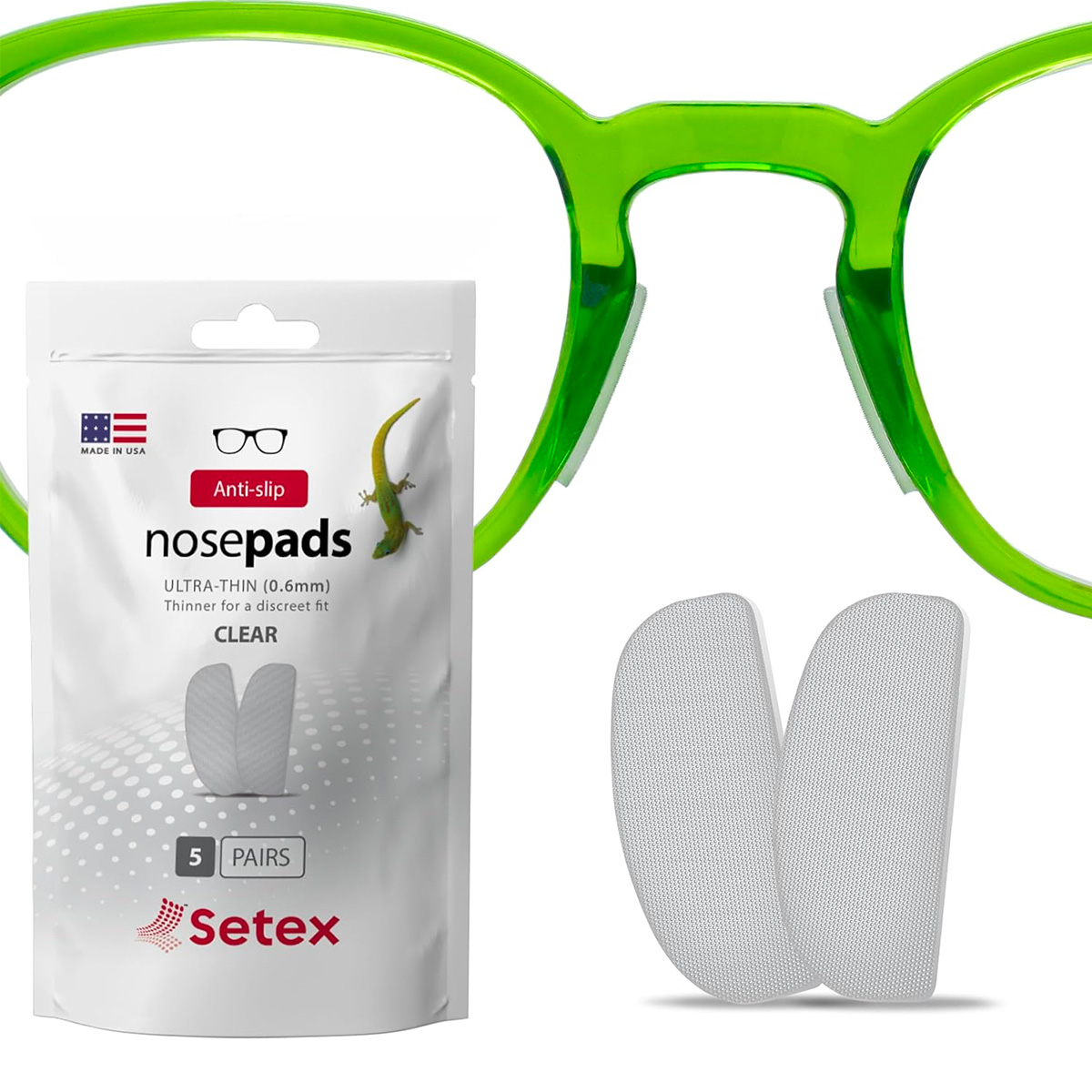
Keep exploring.
Fast answers.
Do I need sunglasses in winter?
Yes. Eye doctors call sunglasses essential in every season. Snowfields, tanning beds and welding need special filters, so ask about those situations.
Are cheap sunglasses safe?
They can be, if they are labeled 100% UV-blocking. Price does not decide protection.
How can I test lens quality?
Look at a tiled floor through one lens and move the glasses slowly. If straight lines start to wave, the lens quality is poor.
Do old sunglasses still protect?
It is not clear whether UV protection fades over time. A local optical shop can test how much UV your current pair blocks.
Get prescription sunglasses that fit your life.
An eye doctor can update your prescription and help you choose lenses for driving, water, sports or everyday wear.
Back to eyeglasses and eyewear
Sources and notes
- American Academy of Ophthalmology: Sunglasses
- HyperPhysics: Polarization by reflection
- US FDA: 21 CFR 801.410, impact-resistant lenses
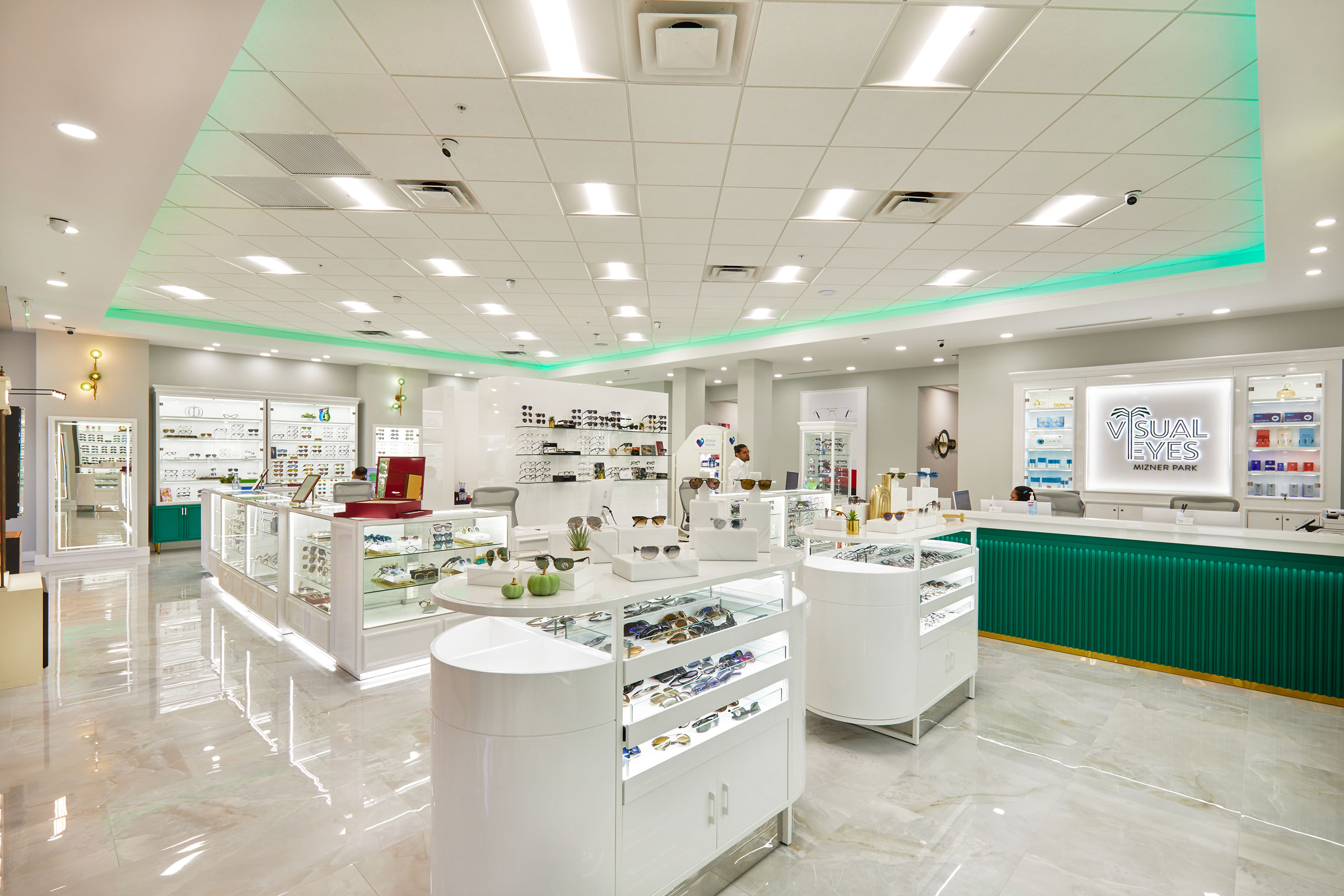
- Showroom and exam-room photography are owned Eye Care Advisors assets approved for use by Vision Rescue. Product photos are Vision Rescue catalog images.
- Brand names are trademarks of their owners and are listed for education only, not as endorsements.
This page is for general education and is not medical advice. Only an eye care professional who has examined you can recommend what is right for your eyes.