







Back to eye care services and treatments
Comprehensive eye exam
The visit that makes everything else make sense.
Your eye exam checks how you see, how your eyes feel, and whether your eyes look healthy inside and out.

An eye exam checks more than vision.
A comprehensive eye exam is a full visit with an eye doctor. It may include vision testing, refraction, eye pressure, eyelid and tear-film checks, and a look at the retina and optic nerve.
The exam brings the whole picture into focus.
Vision prescription
Distance, reading, screens, driving, glasses, and contact lens needs.
Eye surface
Cornea, tear film, lids, lashes, dryness, irritation, and allergy clues.
Eye pressure
Pressure checks help your doctor understand glaucoma risk over time.
Retina and nerve
The back of the eye can show changes before symptoms appear.
Your symptoms
Headaches, glare, floaters, watering, strain, and lens discomfort.
Your care plan
What to buy, book, monitor, treat, or discuss at follow-up.
Do not wait for blurry vision.
Some eye problems are quiet at first. If your vision changes, your eyes hurt, or something feels different, schedule sooner.
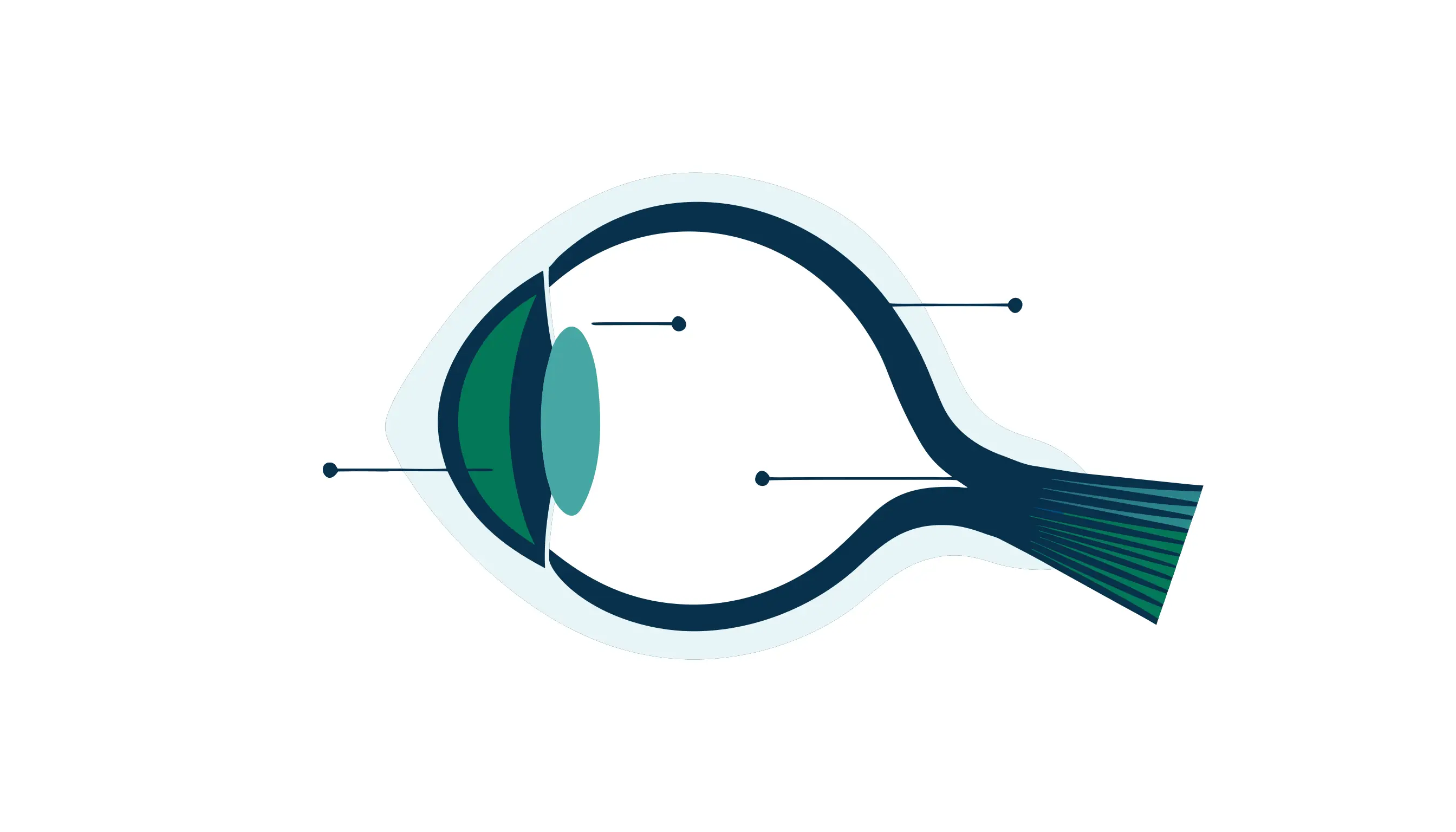
Age 40 baseline
Why doctors talk about 40.
The American Academy of Ophthalmology recommends a comprehensive medical eye evaluation at age 40 for adults without symptoms or risk factors who have not already had one.
It gives future exams context.
A baseline makes it easier to understand what changes later, especially as focusing, eye pressure, retina health, and disease risk become more important.
Bring the useful stuff.
Your glasses
Bring your current pair, plus older pairs if they still tell the story.
Your contacts
Bring boxes, brand, prescription details, and the solution you use.
Your health list
Include medicines, supplements, conditions, and family eye history.
Leave with a plan, not just a prescription.
The equipment helps tell the story.
Modern exam technology helps doctors check vision, focus, eye pressure, and eye health more clearly.
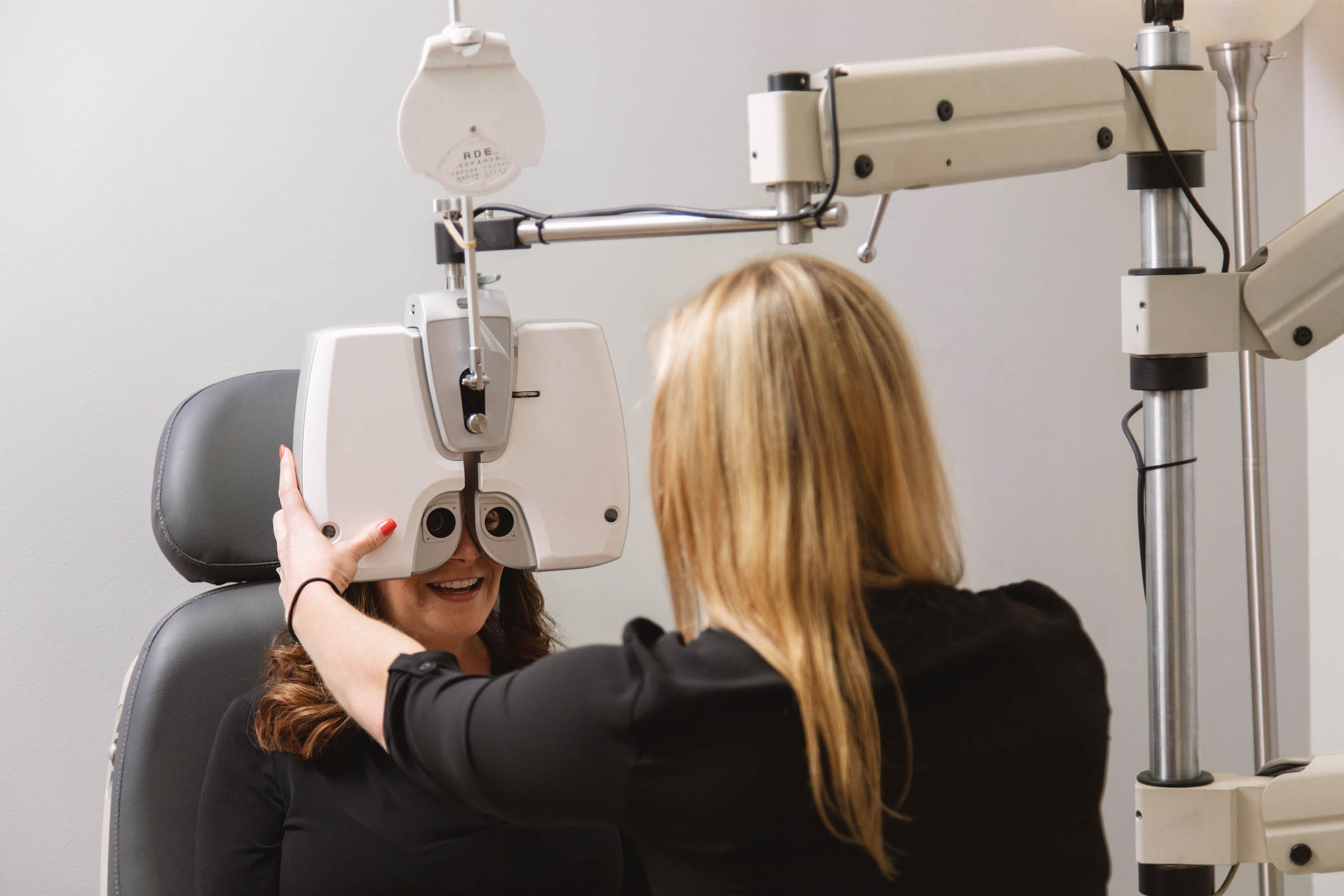
Use what your doctor finds.
Vision Rescue connects eye care, useful education, and products people use between visits.


Contact lens care
Lenses and care products matched to your prescription and routine.
Shop contact lenses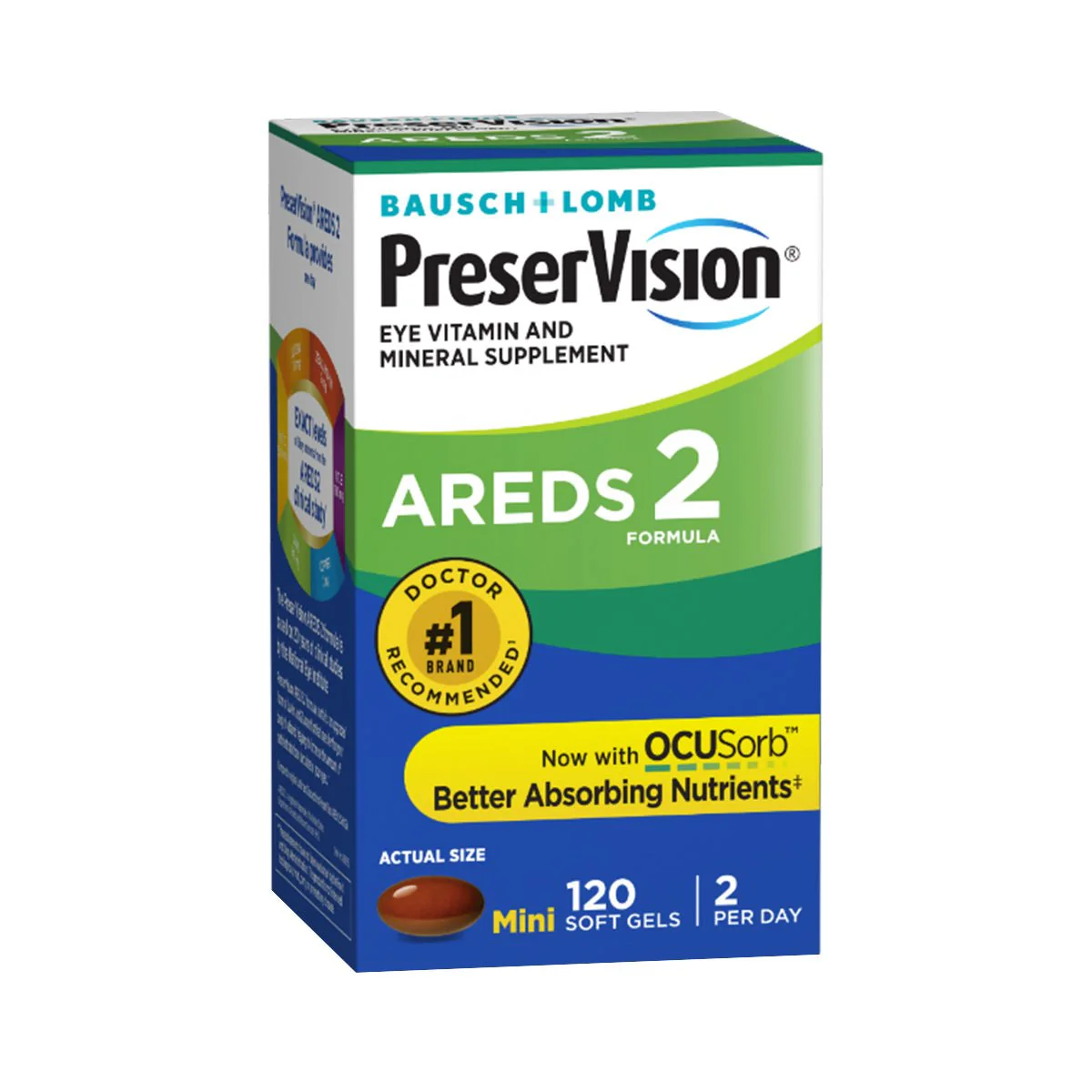
Keep exploring.
Fast answers.
Is this the same as a vision screening?
No. A screening is a quick check. A comprehensive exam is a full eye-health and vision evaluation.
Will my eyes be dilated?
Maybe. Dilation helps your doctor see more of the retina and optic nerve. Some offices also use retinal imaging.
Is a contact lens exam included?
Not always. Contact lenses usually require extra measurements and fitting.
Which doctor should I see?
Optometrists handle primary eye care, glasses, contacts, and many medical eye issues. Ophthalmologists are medical doctors who also perform surgery and manage complex disease.
Find care that fits what your eyes need.
Use Vision Rescue to connect symptoms, products, services, and providers in one place.
Back to eye care services and treatments
Sources and notes
- National Eye Institute: Get a Dilated Eye Exam
- American Optometric Association: Comprehensive eye exams
- American Academy of Ophthalmology: Comprehensive Adult Medical Eye Evaluation Preferred Practice Pattern
- Hero and exam-room photography are owned Eye Care Advisors assets approved for use by Vision Rescue.
- Draft anatomy visuals were generated in Higgsfield for layout and art-direction review. Clinical device and equipment imagery should use manufacturer-approved, clinic-owned, public-domain, or official-source assets so doctors can trust the details.
This page is for general education and is not medical advice. Only an eye care professional who has examined you can recommend what is right for your eyes.