How it fits in
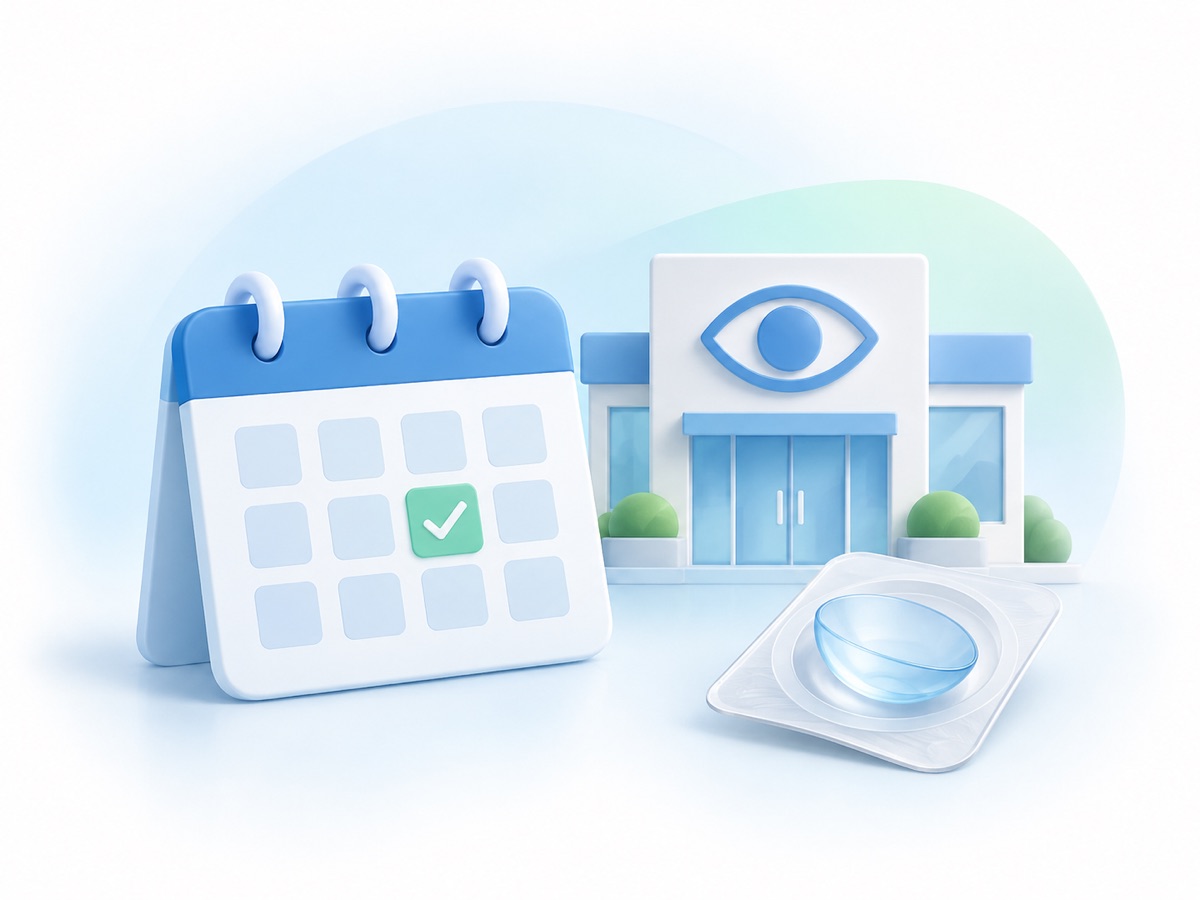
Drops can be used alone or with lenses.
Atropine does not sharpen vision on its own. Your child still needs glasses or contact lenses to see clearly, and the drops are meant to slow the change behind the eye.
Low-dose atropine
Some eye doctors prescribe very weak atropine eye drops, used once a day, to help slow how fast a child's nearsightedness gets worse.
How it fits in
Atropine does not sharpen vision on its own. Your child still needs glasses or contact lenses to see clearly, and the drops are meant to slow the change behind the eye.
Is it right for my child?
The doctor measures the prescription, may measure eye length, and asks about family history and screen and outdoor time before suggesting drops.
Pupils may be a bit larger in bright light.
Some kids notice slight blur up close.
Call the doctor about redness or rash.
Approval status
As of October 2026, US doctors prescribe low-dose atropine off-label, and a compounding pharmacy prepares it. Several drug makers are seeking FDA approval, and one product is approved in Europe.
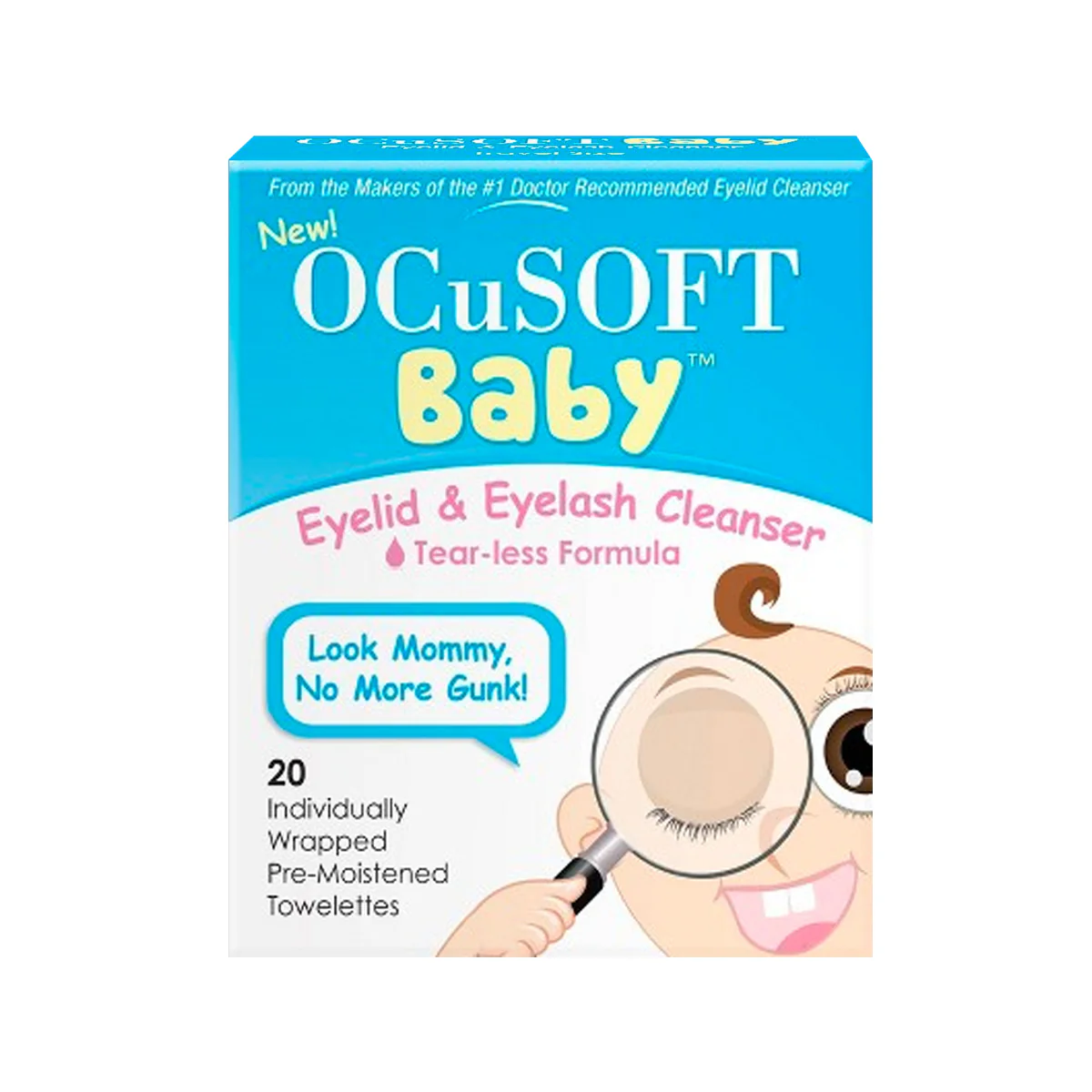
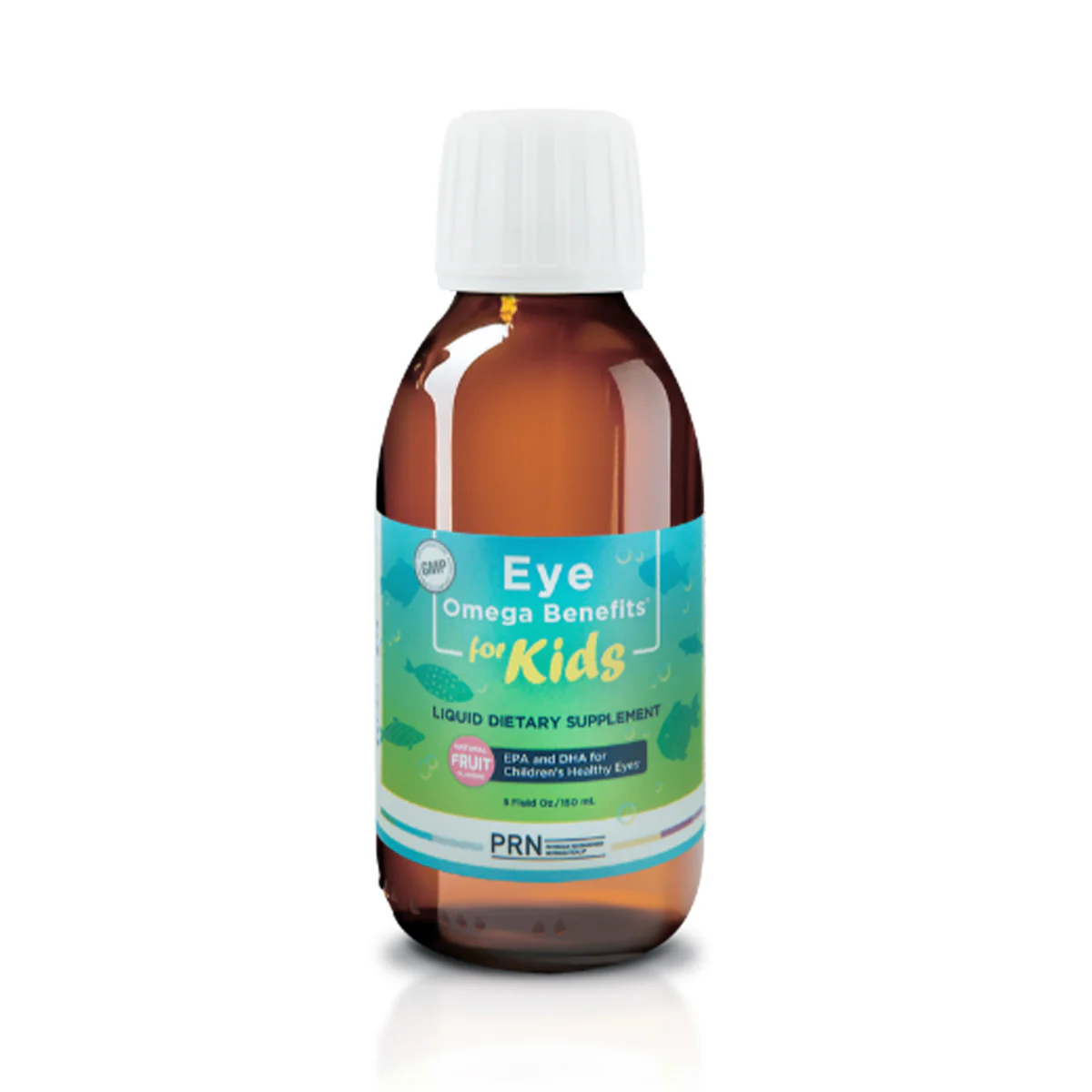
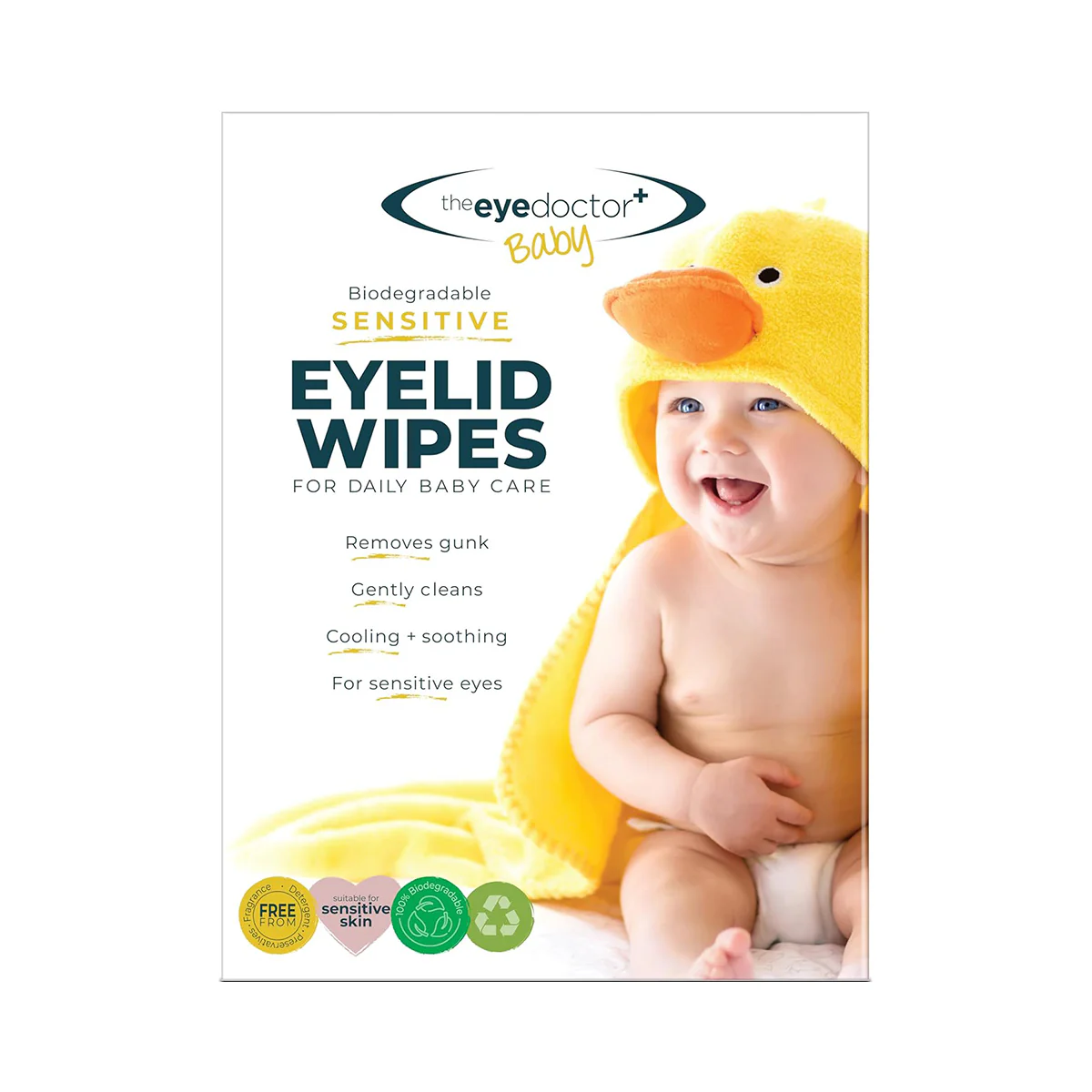
Simple products for everyday comfort. They do not treat myopia.
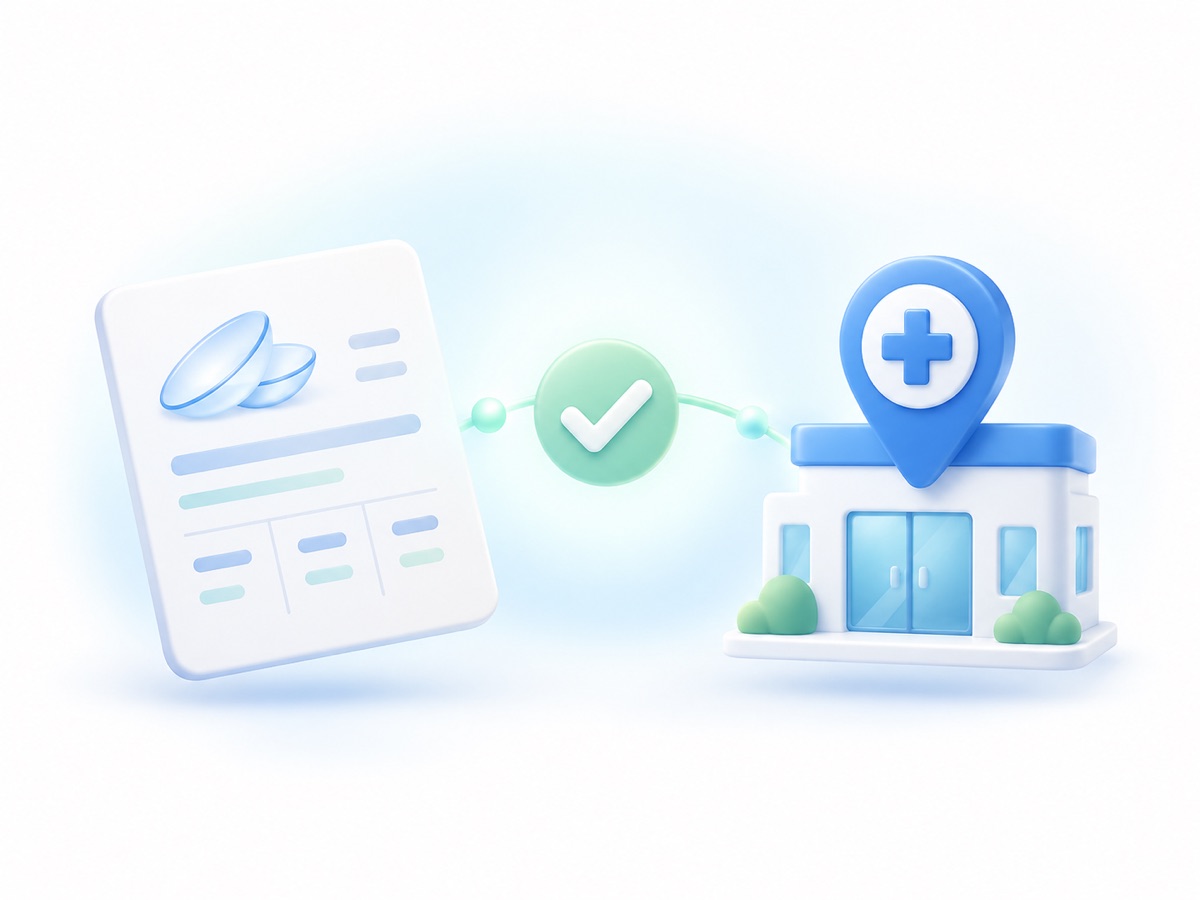
Search near you, then ask whether the practice offers low-dose atropine and how it measures progress.
Not yet. As of October 2026 it is prescribed off-label in the US and made by compounding pharmacies.
It is the same medicine at a much lower strength, which is why side effects are usually milder.
Yes. The drops aim to slow change. Glasses or contacts still provide clear vision.
Sometimes. Your doctor may pair drops with myopia control lenses if progression continues.
Coverage varies. Ask the practice and your plan before starting.
This page is for general education and is not medical advice. Only an eye doctor who has examined your child can recommend whether atropine drops are appropriate.