Back to eye care services and treatments
Nasal spray for dry eye
A dry eye treatment that goes in your nose.
One prescription option for dry eye is a nasal spray. It signals a nerve pathway in the nose that helps the eyes make more of their own natural tears, which can help people who find drops difficult.

Your own tears, made on cue.
Instead of adding drops to the eye, the spray stimulates the body’s tear-making system. In studies, many people made noticeably more tears within four weeks.
What to expect.
Twice a day
One spray in each nostril, about 12 hours apart.
A sneeze at first
Sneezing is the most common side effect.
No drops needed
Helpful if drops are hard to use.
Monthly refills
A carton lasts about 30 days.
Works with other care
Lid care and tears can continue.
A prescription
Your eye doctor decides if it fits.
Who it may suit.
People whose eyes do not make enough tears, and those who struggle to get drops into their eyes, are often good candidates.
Not a stand-alone fix.
Dry eye often has several causes. Treating the eyelids and protecting the tear film still matter alongside any prescription.
Side effects
Usually mild and short-lived.
Sneezing is common right after a spray. Cough, throat irritation and nose irritation can also happen. Tell your doctor if they bother you.
Your doctor checks the results.
A follow-up visit measures tear production and comfort to see whether the spray is helping.
Before your visit.
List what you have tried
Drops, gels, warm compresses and how they worked.
Note when eyes feel worst
Morning, screens, wind or air conditioning.
Mention nasal issues
Allergies or nasal sprays you already use.
Common next steps.
Measuring your tears.
Simple tests in the office show how many tears you make and how stable they are, which guides the treatment plan.

Everyday comfort for dry eyes.
Preservative-free lubricants can continue alongside prescription treatment. Ask your eye doctor which fits.
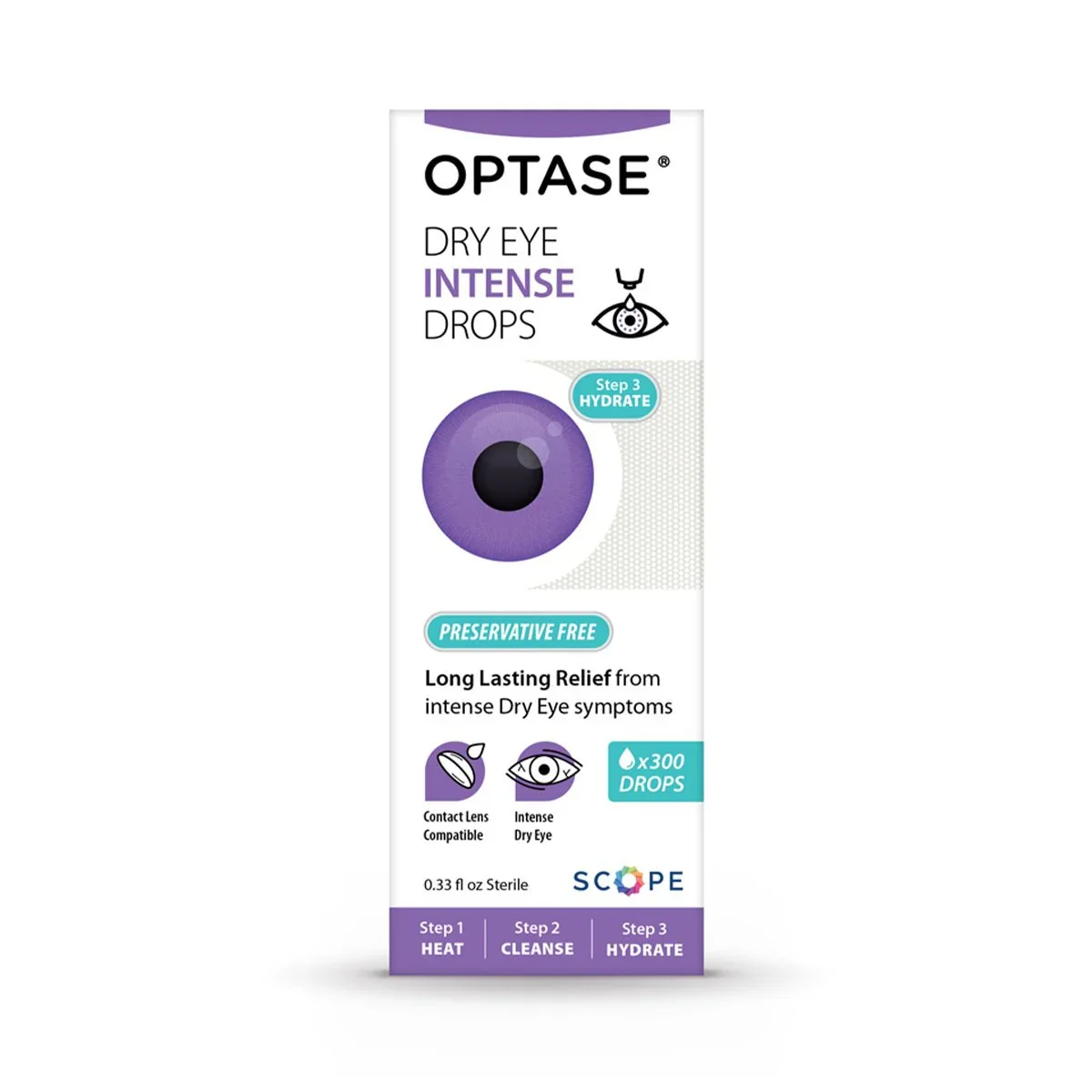
Preservative-free drops
Lubricating drops without preservatives, for frequent daytime use.
Shop Optase Intense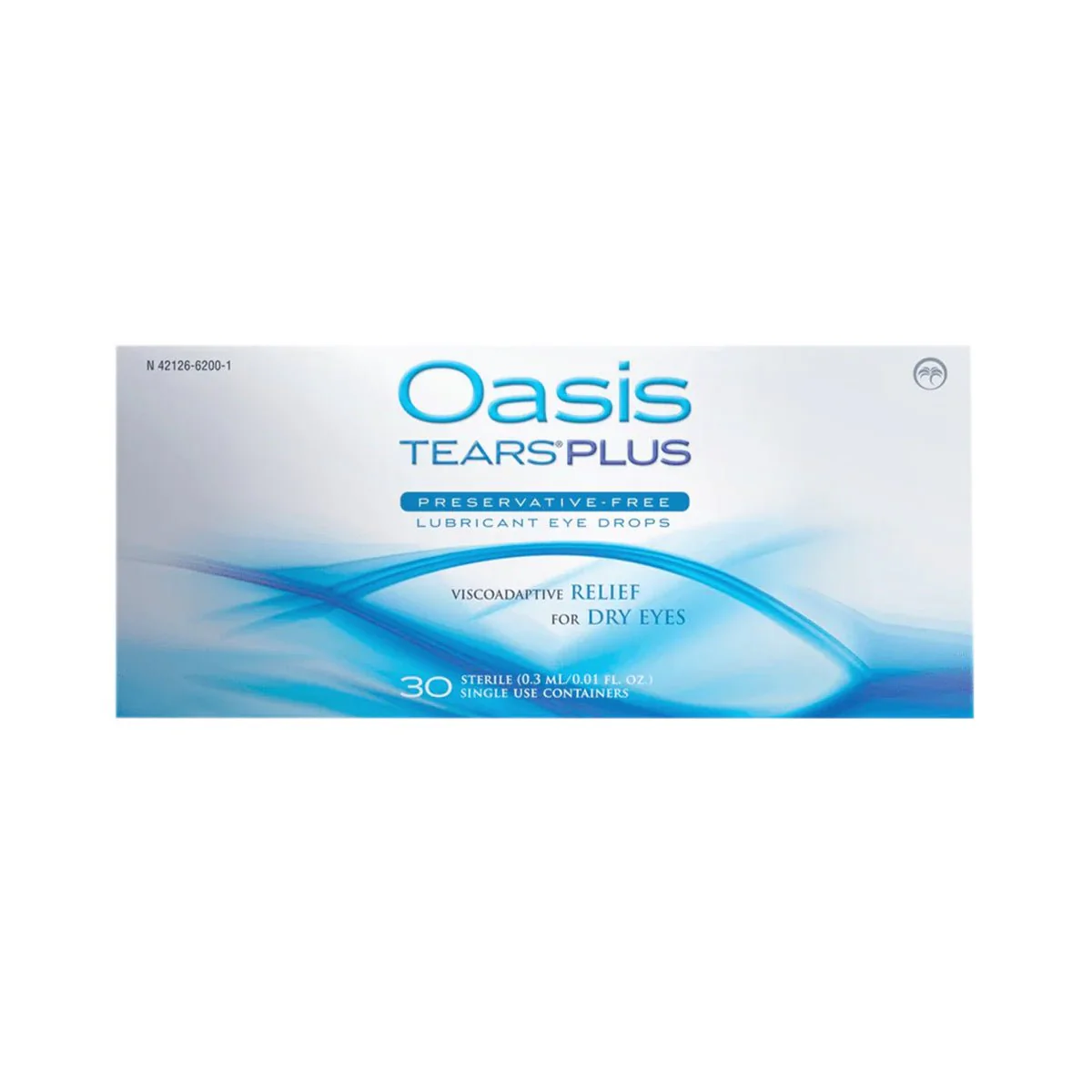
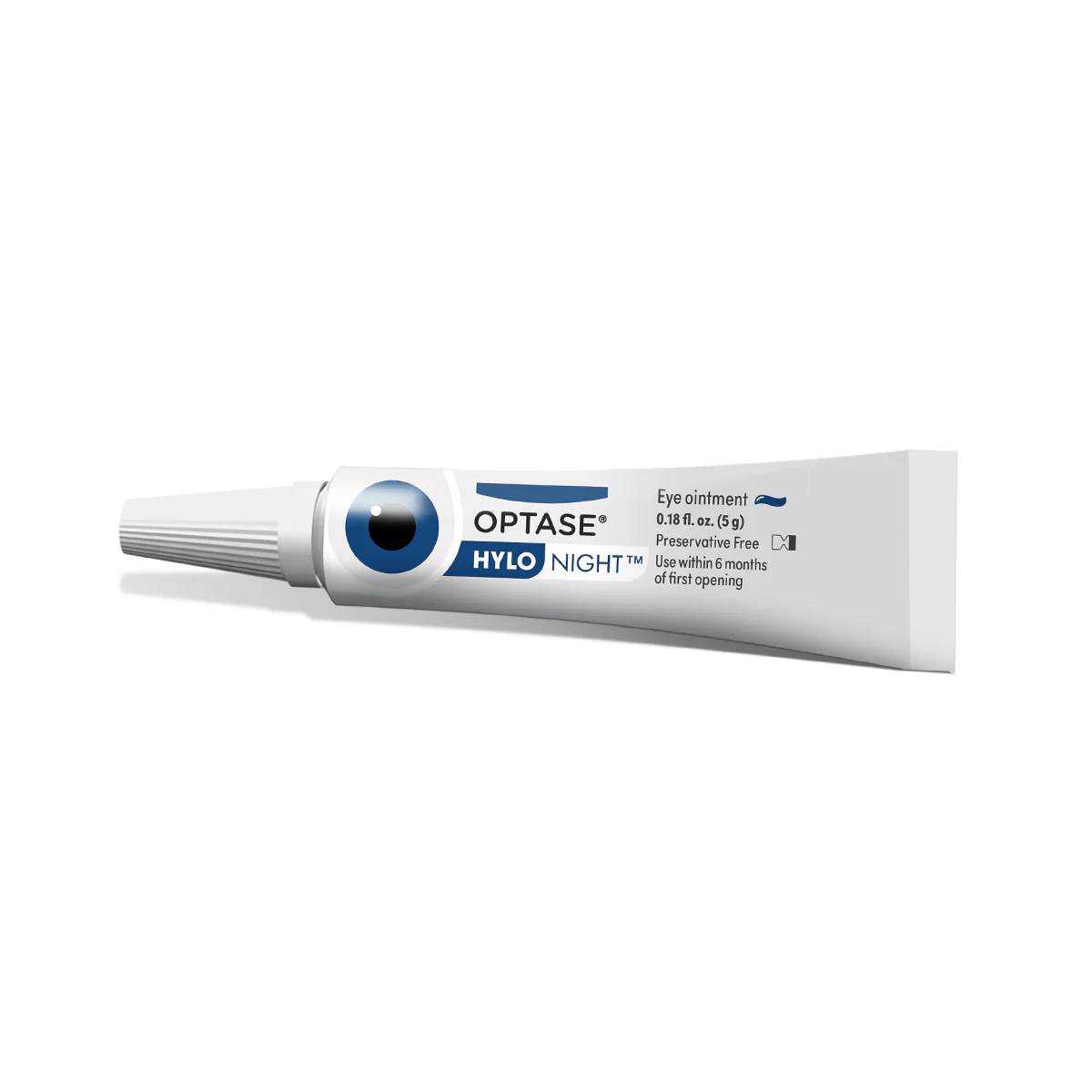
Overnight ointment
A thicker, preservative-free layer for eyes that dry out while you sleep.
Shop Hylo NightKeep exploring.
Fast answers.
Does the spray go in my eyes?
No. It is sprayed into the nose, one spray in each nostril twice a day.
Will I sneeze every time?
Many people sneeze shortly after spraying, especially at first.
Can I keep using artificial tears?
Usually yes. Ask your eye doctor how to combine treatments.
How long before it helps?
In studies, tear production was measured after four weeks of use.
Talk to an eye doctor about dry eye.
Find an eye doctor near you with the Vision Rescue doctor locator.
Back to eye care services and treatments
Sources and notes
- FDA prescribing information: dry eye nasal spray (2021)
- National Eye Institute: Dry eye
- Exam-room and showroom photography are owned Eye Care Advisors assets approved for use by Vision Rescue.
- Full source list: Vision Rescue sources
This page is for general education and is not medical advice. Only an eye care professional who has examined you can recommend what is right for your eyes.