Back to eyeglasses and eyewear
Anti-reflective coatings
Fewer reflections, clearer view, better photos.
An anti-reflective coating lets more light through your lenses and cuts the glare that bounces off them.
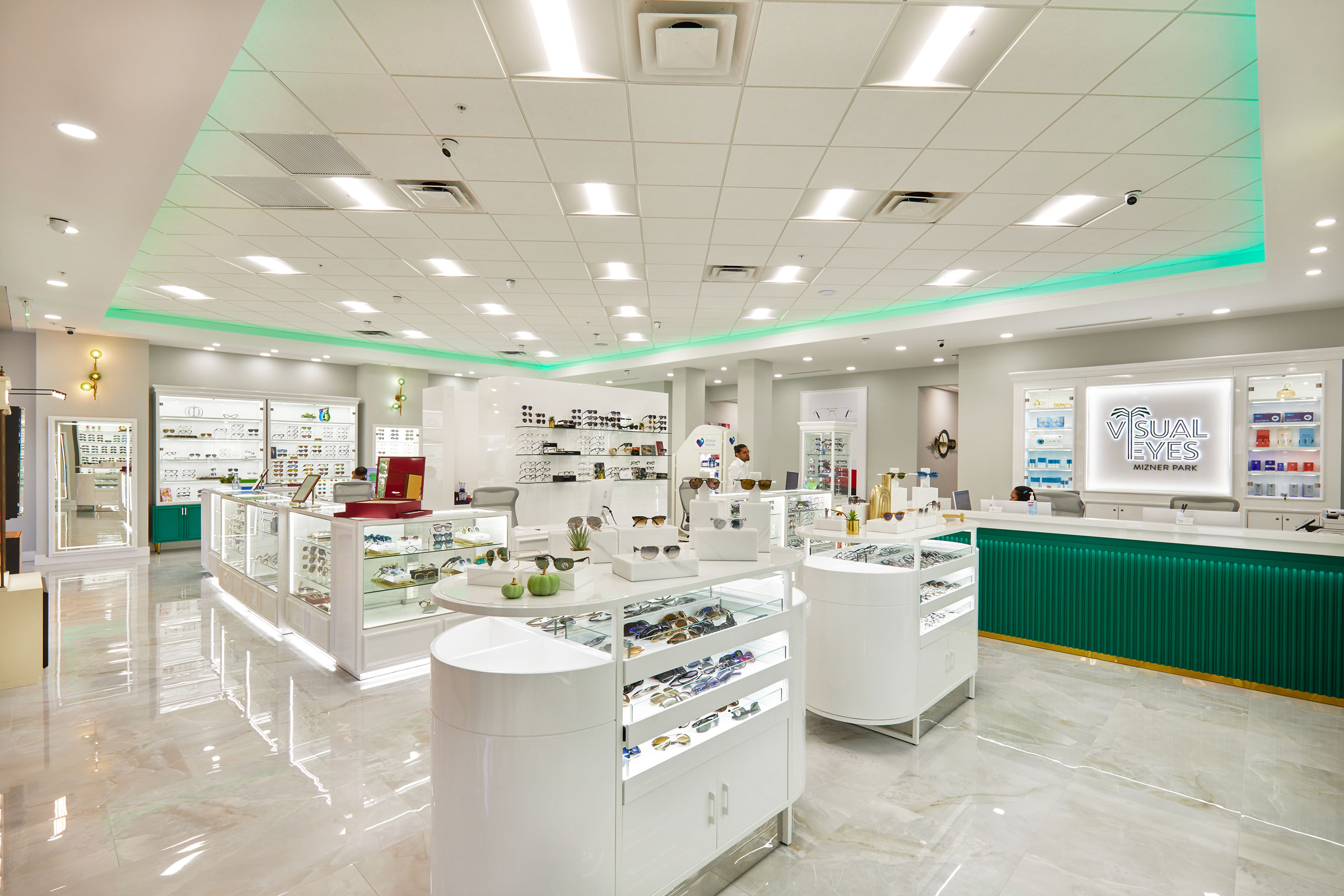
What an anti-reflective coating actually does.
Every lens reflects some light off its front and back surfaces. An anti-reflective coating is a set of microscopically thin layers that cancel much of that reflection, so you see more clearly and others see your eyes instead of glare.
Where you notice the difference.
Night driving
Less glare from reflections on the lens itself.
Screens and lights
Fewer bright reflections from overhead lighting.
Video calls
Your eyes show instead of white glare on the lens.
Thin lenses
High-index lenses reflect more, so they gain the most.
Easy cleaning
Most coatings add a smooth layer that sheds smudges.
Sunglasses
A coating on the back cuts reflections toward your eye.
Good to know
Thin lenses reflect more.
The higher the lens index, the more light each uncoated surface bounces back. That is why opticians often pair thin lenses with an anti-reflective coating.
Care makes it last.
Clean with a spray made for eyeglass lenses and a microfiber cloth. Skip shirts, paper towels and household glass cleaners.
Questions to ask before you order.
Is it included?
Some lens packages include it; others list it separately.
Is there a warranty?
Ask whether coating defects are covered, and for how long.
Any special versions?
Ask about blue-violet, driving or sun versions.
Pair the coating with the right lens.
Care products for coated lenses.
Gentle cleaners and cloths help coatings stay clear for the life of the lens.
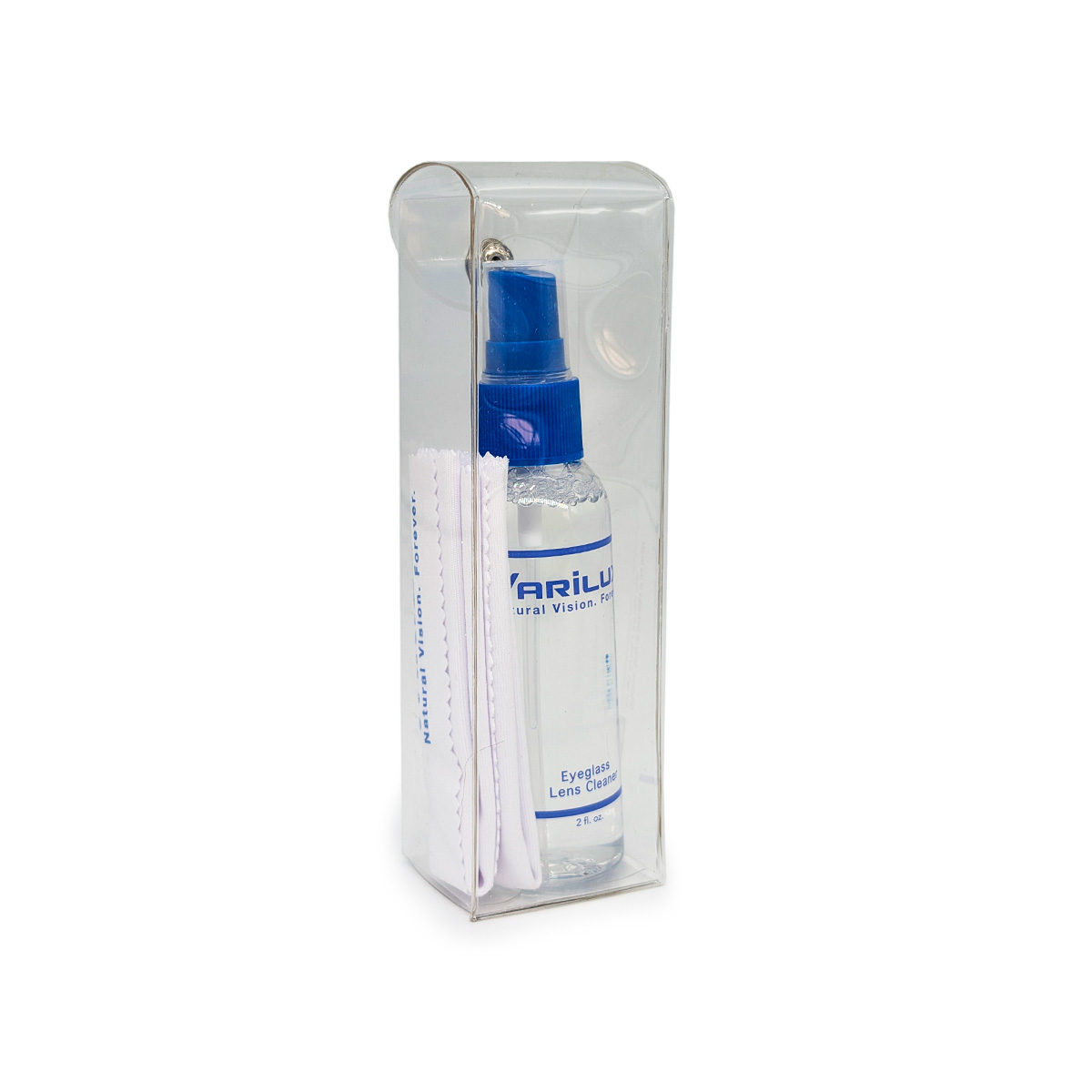
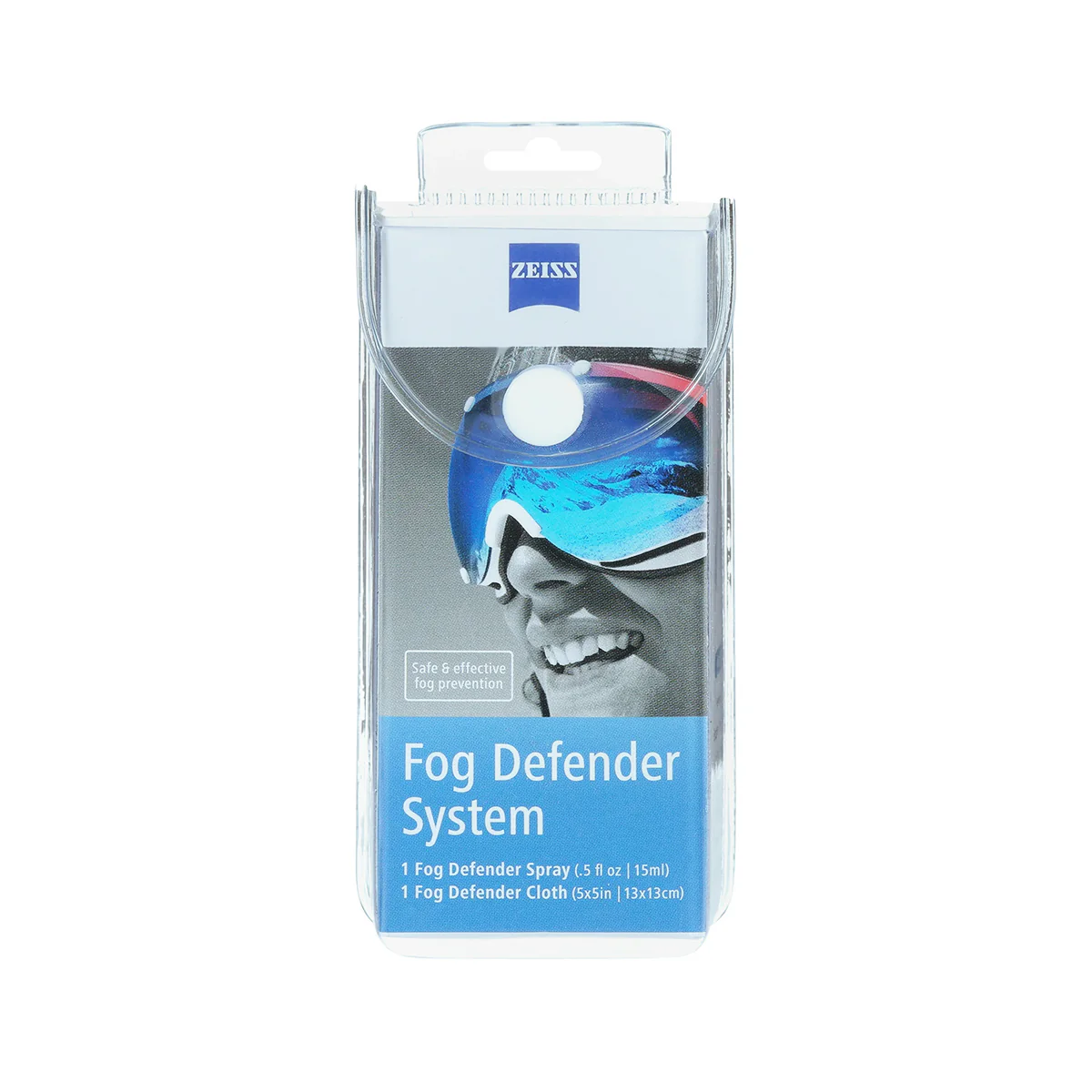
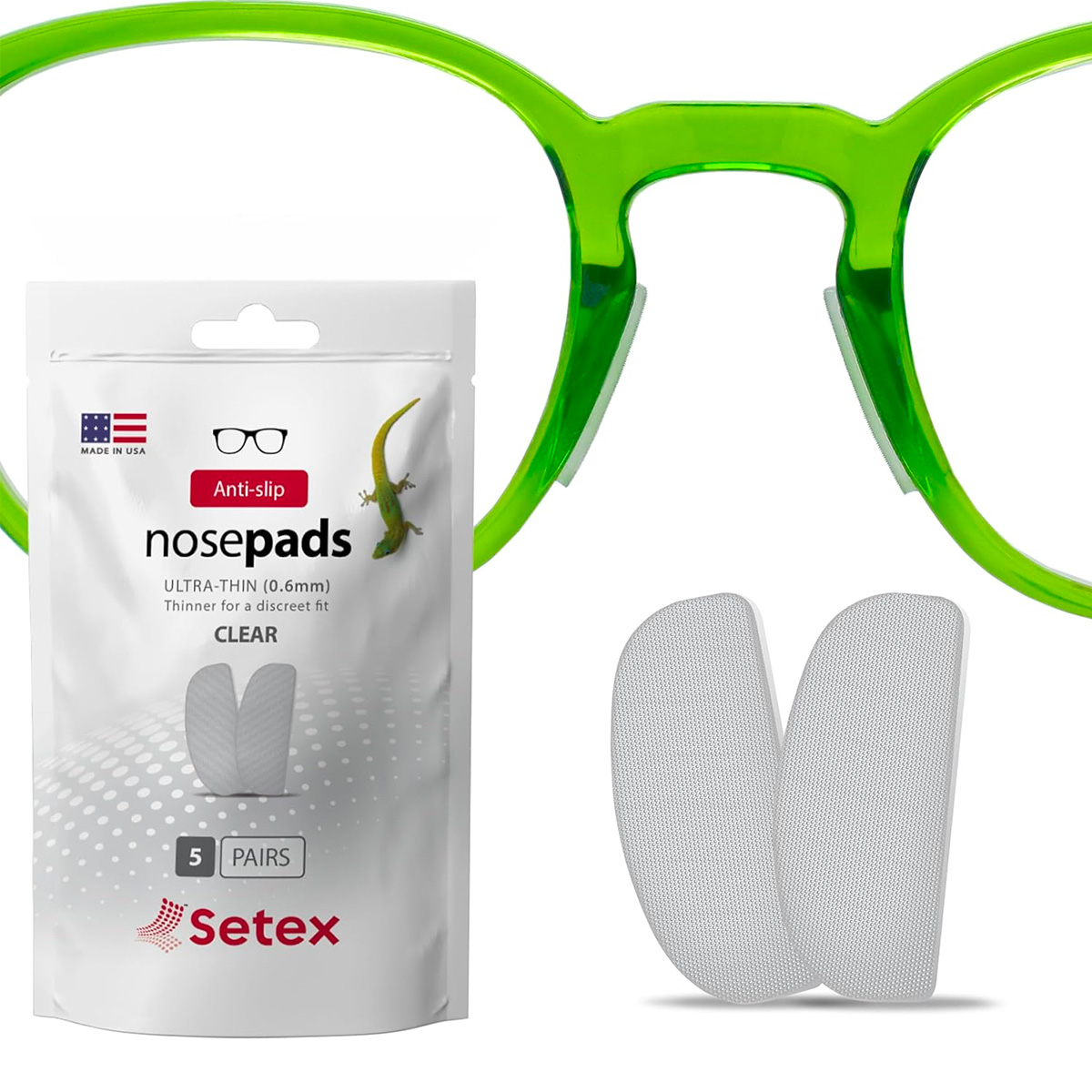
Keep exploring.
Fast answers.
Is an anti-reflective coating worth it?
It cuts the reflections that bounce off your lenses, which helps most at night, under bright lights and with thin, high-index lenses.
Will the coating scratch?
Modern coatings sit on a hard coat, but any lens can scratch. Cleaning gently and using a case helps a lot.
Can I add a coating to my current lenses?
Usually not. Coatings are applied by the lab when the lens is made.
Why do my lenses show a faint color?
Coatings leave a small leftover reflection with a faint tint. That is normal and does not affect your vision.
See the difference for yourself.
An optician can show you coated and uncoated lenses side by side and suggest the right option for your glasses.
Back to eyeglasses and eyewear
Sources and notes
- HyperPhysics (Georgia State University): Anti-reflection coatings
- ZEISS Vision Care: Lens and coating options
- HOYA Vision Care: Product comparison guide
- Showroom and exam-room photography are owned Eye Care Advisors assets approved for use by Vision Rescue. Product photos are Vision Rescue catalog images.
- Brand names are trademarks of their owners and are listed for education only, not as endorsements.
This page is for general education and is not medical advice. Only an eye care professional who has examined you can recommend what is right for your eyes.