Back to eyeglasses and eyewear
Eyeglass lens materials
Thinner, lighter, tougher: choosing what your lenses are made of.
The material behind your prescription changes how your glasses look, feel on your nose and stand up to everyday knocks.

Your lens material is a quiet but important choice.
Most glasses today use plastic lenses rather than glass. The main options are standard plastic, polycarbonate, Trivex and high-index plastics. Each balances thickness, weight, clarity and strength a little differently.
The common choices, in plain words.
Standard plastic
Clear optics and affordable, but thicker for strong prescriptions.
Polycarbonate
Tough and thin. A frequent pick for kids, sports and safety.
Trivex
Very light and tough, with crisp optics. Great for rimless frames.
High-index 1.60
Thinner than standard plastic for moderate prescriptions.
High-index 1.67–1.74
The slimmest plastic lenses for strong prescriptions.
Glass
Scratch-resistant and sharp, but much heavier than plastic.
Thin versus clear
Thinnest is not always best.
The thinnest materials can show slight color fringes when you look far off to the side. Your optician weighs that against how much thickness you would save.
Strength is regulated.
In the United States, eyeglass and sunglass lenses must pass a federal drop-ball impact test before they reach you, whatever the material.
Questions worth asking your optician.
How strong is my Rx?
Stronger prescriptions benefit most from high-index lenses.
What about my frame?
Rimless and drilled frames often call for Trivex.
Kids or sports?
Ask about polycarbonate or Trivex for extra impact protection.
Pick the material, then the extras.
Keep new lenses looking new.
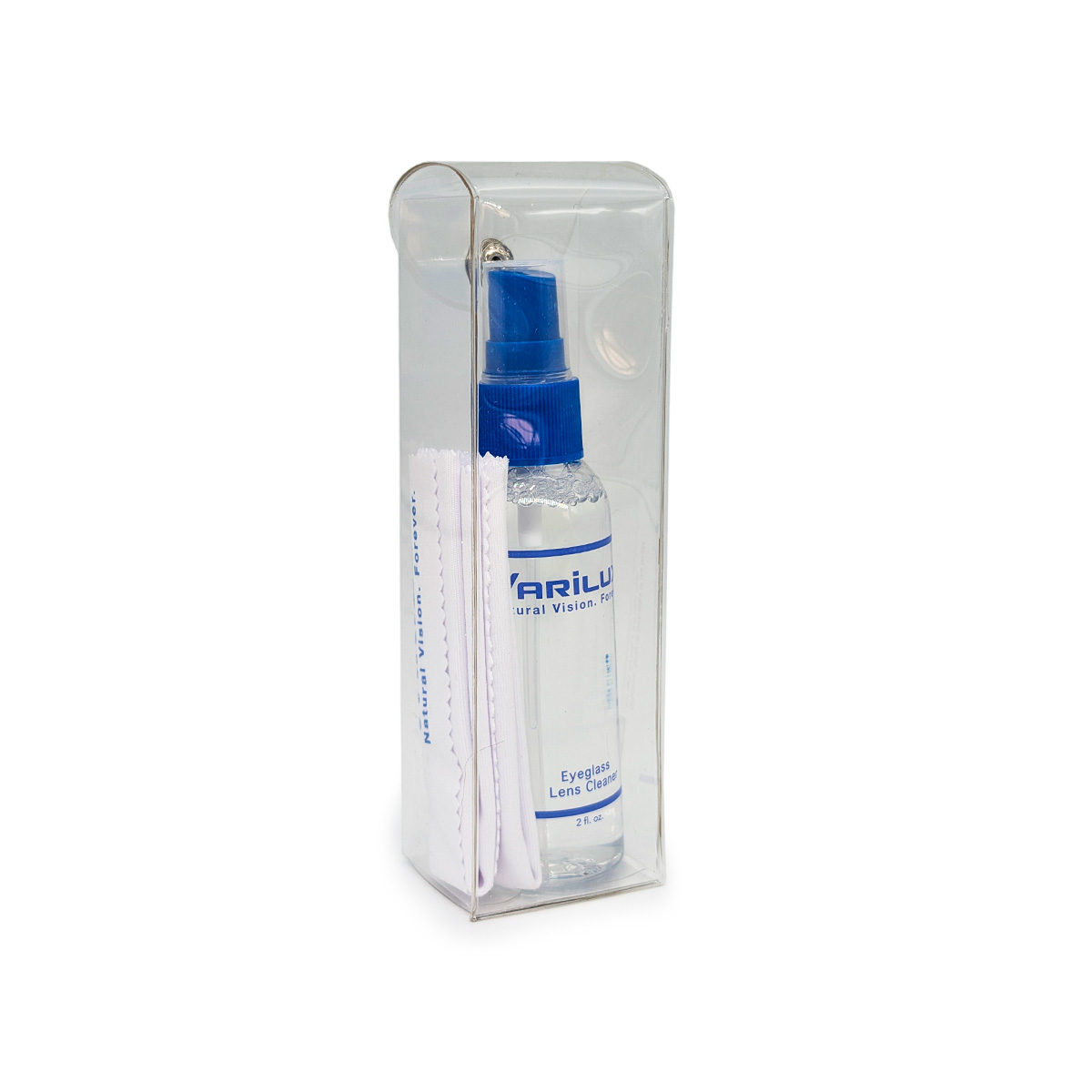
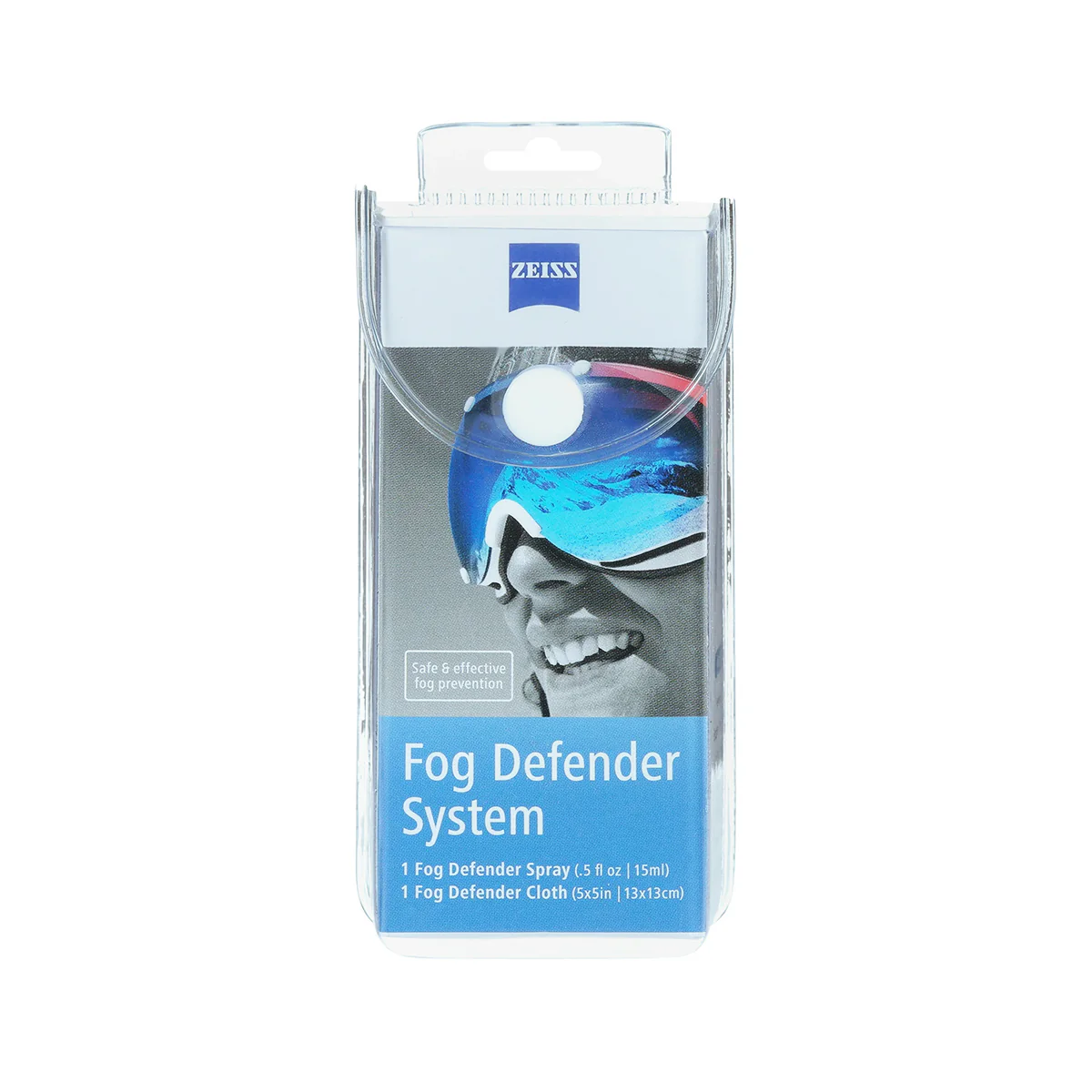
Clean lenses with a spray and microfiber cloth instead of your shirt, which can scratch coatings over time.
Keep exploring.
Fast answers.
Why do my strong lenses look so thick?
Thickness grows with prescription strength, especially at the edges of nearsighted lenses. A higher-index material and a smaller frame can both help.
Are high-index lenses worth it?
They usually are for stronger prescriptions. For mild prescriptions the difference in thickness can be small.
Is polycarbonate good for children?
Polycarbonate and Trivex are the impact-resistant options eye doctors commonly suggest for kids and active wearers.
Can I still get glass lenses?
Yes. Glass resists scratches well but is heavier and must be specially treated to meet impact rules.
Get lenses matched to your prescription.
An eye doctor and optician can recommend the right material for your prescription, frame and daily routine.
Back to eyeglasses and eyewear
Sources and notes
- Laramy-K Optical: Lens materials and their properties
- Mitsui Chemicals: MR high-index lens material lineup
- US FDA: 21 CFR 801.410, impact-resistant lenses
- Showroom and exam-room photography are owned Eye Care Advisors assets approved for use by Vision Rescue. Product photos are Vision Rescue catalog images.
- Brand names are trademarks of their owners and are listed for education only, not as endorsements.
This page is for general education and is not medical advice. Only an eye care professional who has examined you can recommend what is right for your eyes.