Back to eye care services and treatments
Cataract surgery recovery
The weeks after surgery, step by step.
Most people notice brighter vision within days. Healing fully takes longer, and a few simple habits help it go smoothly.
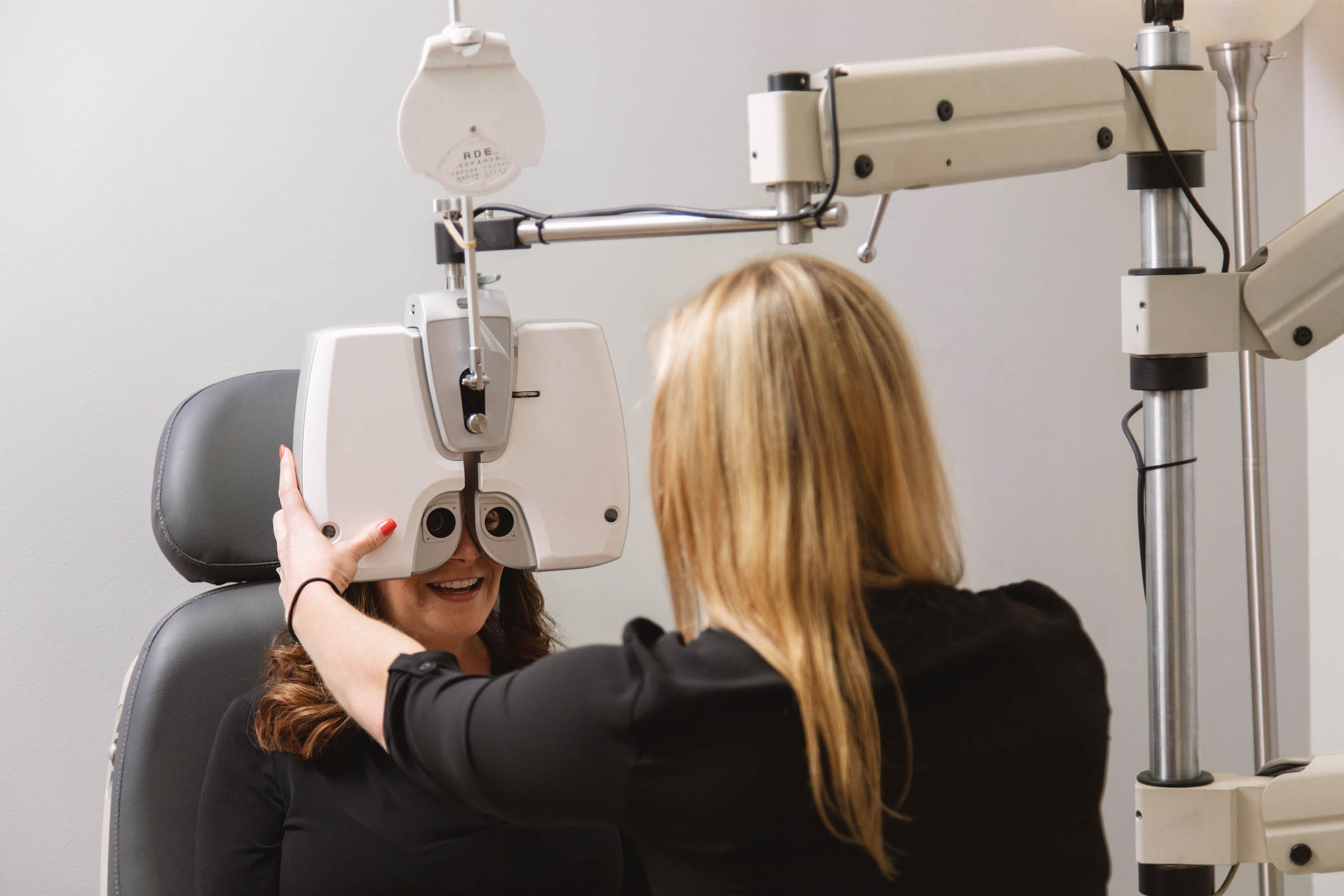
Most people are fully healed in about 8 weeks.
Right after surgery your eye may feel itchy, uncomfortable or sensitive to light. NEI says that usually settles within a day or two, while the eye keeps healing for several weeks.
Habits that protect a healing eye.
Use every drop
Follow the schedule for each bottle until told to stop.
Hands off
Avoid rubbing or pressing on the eye while it heals.
Wear the shield
Use the shield or glasses your surgeon gives you.
Skip heavy lifting
Avoid bending over and lifting heavy things for a while.
Keep your visits
Checkups catch pressure or healing problems early.
Ask before makeup
Check when eye makeup and swimming are safe again.
Fewer drops for some people.
Some surgeons place a tiny medicine insert in the tear duct that releases a steroid for up to 30 days, or add medicine during surgery.
Know which drops you have.
Write down each drop, how often to use it and when to stop. Bring the list to every visit.
Call right away
Warning signs not to wait on.
NEI says to call your eye doctor right away for vision loss, severe pain that medicine does not help, very red eyes, or flashes and floaters.
Questions are normal.
If something feels off, call the office. A quick check is better than waiting for your next visit.
Plan ahead for the first days.
A ride home
You will not be able to drive yourself home that day.
Time to rest
Ask how long to wait before work or exercise.
Comfort supplies
Ask which lubricating drops are safe once you heal.
What each visit checks.
New glasses come last.
Once your eye has settled, your eye doctor can check your vision and update your glasses if you still need them.

Keep exploring.
Fast answers.
When can I drive again?
Ask your surgeon. It depends on how quickly your vision clears and on the other eye.
Why is my vision still blurry?
Some blur early on is expected while the eye heals. If vision gets worse instead of better, call right away.
Will I still need glasses?
Often for some tasks, depending on the lens implant you chose.
Are dry, gritty eyes common?
Dry eye is common in people having cataract surgery. Your eye doctor can suggest drops once you have healed.
Find an eye doctor for your follow-up care.
Find an eye doctor near you with the Vision Rescue doctor locator.
Back to eye care services and treatments
Sources and notes
- National Eye Institute: Cataract surgery
- DEXTENZA (dexamethasone ophthalmic insert) prescribing information
- Trattler WB, et al. The PHACO study, Clin Ophthalmol 2017
- Exam-room and showroom photography are owned Eye Care Advisors assets approved for use by Vision Rescue.
- Full source list: Vision Rescue sources
This page is for general education and is not medical advice. Only an eye care professional who has examined you can recommend what is right for your eyes.