
  • FSA and HSA accepted
Back to eye care services and treatments

Dry eye costs and coverage

What dry eye care costs, and what insurance may cover.

Dry eye care usually has three parts: the visit and tests, any treatment done in the office, and the products you use at home. Each one is paid for differently, so it helps to ask before you start.

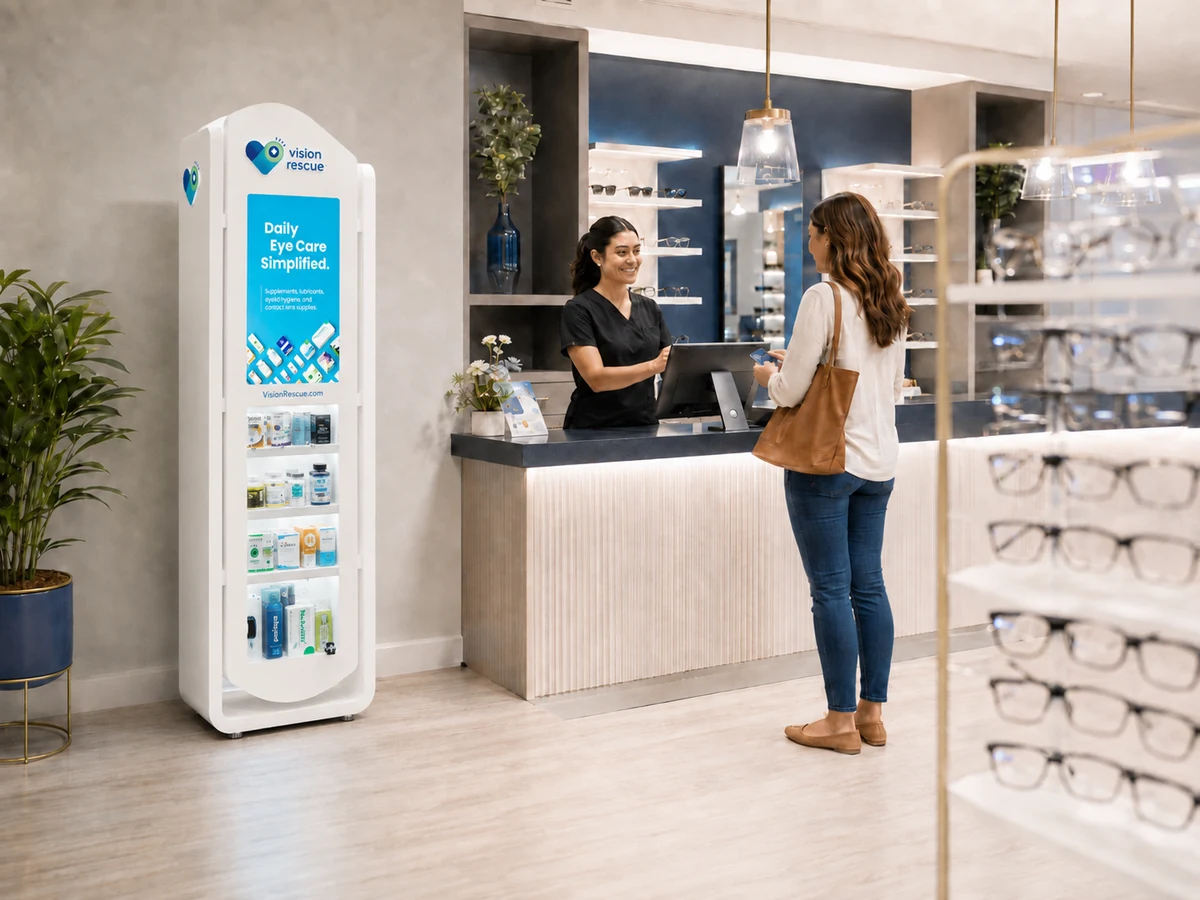
Patient talking with staff at an eye care office front counter
The visitOften billed to medical insurance.
In-office careCoverage varies widely.
Home productsUsually paid out of pocket.
Illustration of a shipped refill package

Home routine

Daily products are an ongoing cost.

Dry eye is often long-term, so drops, eyelid cleansers, supplements and heat compresses are used up and bought again. As an example, a five-product routine priced at VisionRescue.com list prices on 8 October 2026 comes to about $1,148 a year. Your doctor's plan may cost more or less.

Insurance

Tests and treatments are billed differently.

Some in-office tests, such as tear osmolarity and MMP-9 inflammation testing, have billing codes and may be covered by medical insurance. Some insurers treat thermal eyelid gland treatments as investigational and do not cover them, so many patients pay for those directly.

Questions to ask the office.

Is my visit medical?Ask how it will be billed.
Are my tests covered?Ask before testing starts.
Is treatment self-pay?Ask for the price upfront.
Can I use FSA or HSA?Ask your plan which items qualify.

Ways to manage the cost.

Know the plan

Buy only what your doctor recommends.

Set up refills

Avoid gaps and rush orders.

Use FSA or HSA

For eligible OTC medicines.

Illustration of a health record connected to an eye care office

Health accounts

OTC medicines and FSA or HSA funds.

Since January 1, 2020, the CARES Act has allowed over-the-counter medicines to be reimbursed from health FSAs and HSAs without a prescription. Plans decide which specific items qualify, so check with your plan administrator.

Common products in a home routine.

Your doctor decides which of these, if any, you need.

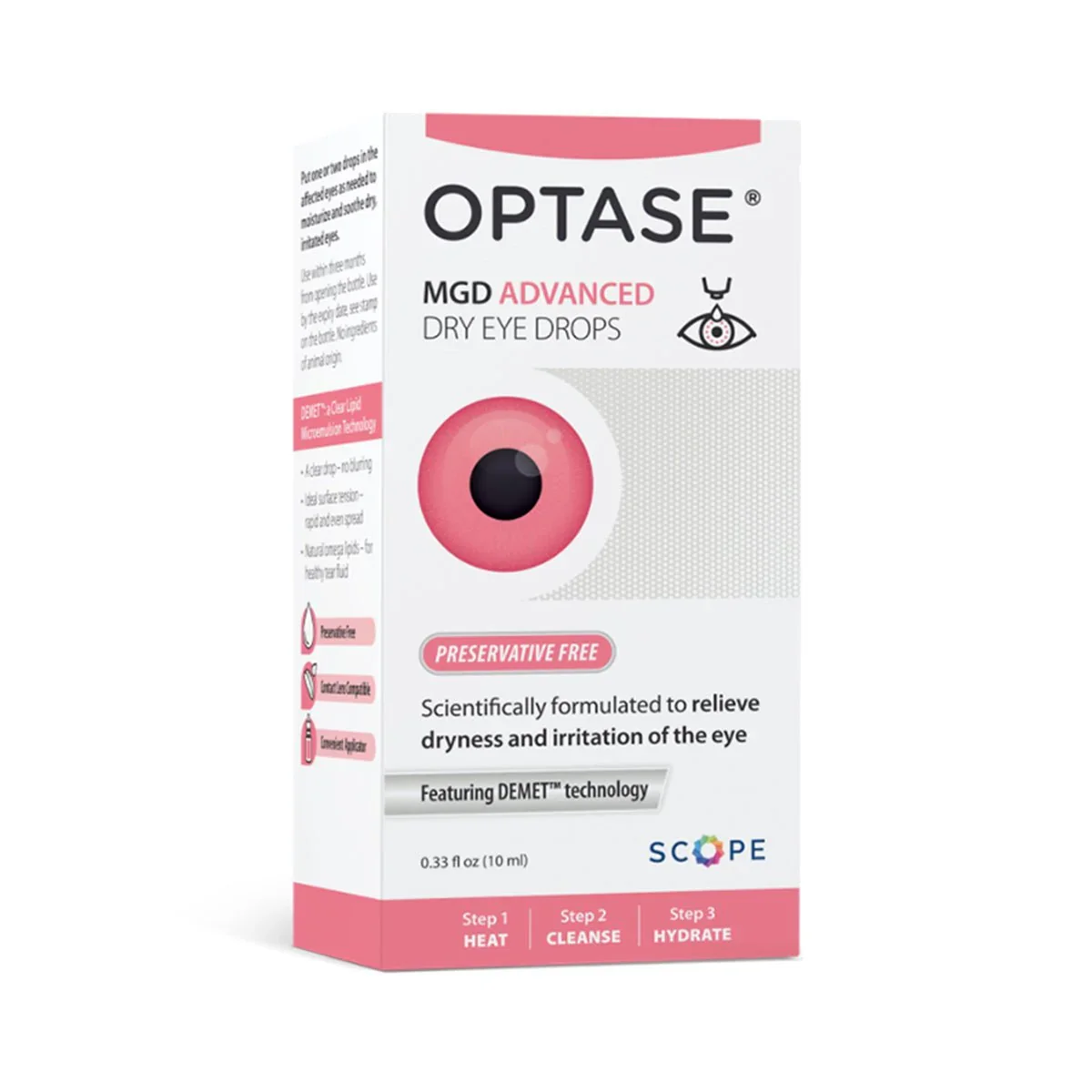
Optase MGD Advanced preservative-free eye drops

Lipid drops

Support for the tear film's oil layer.

View product
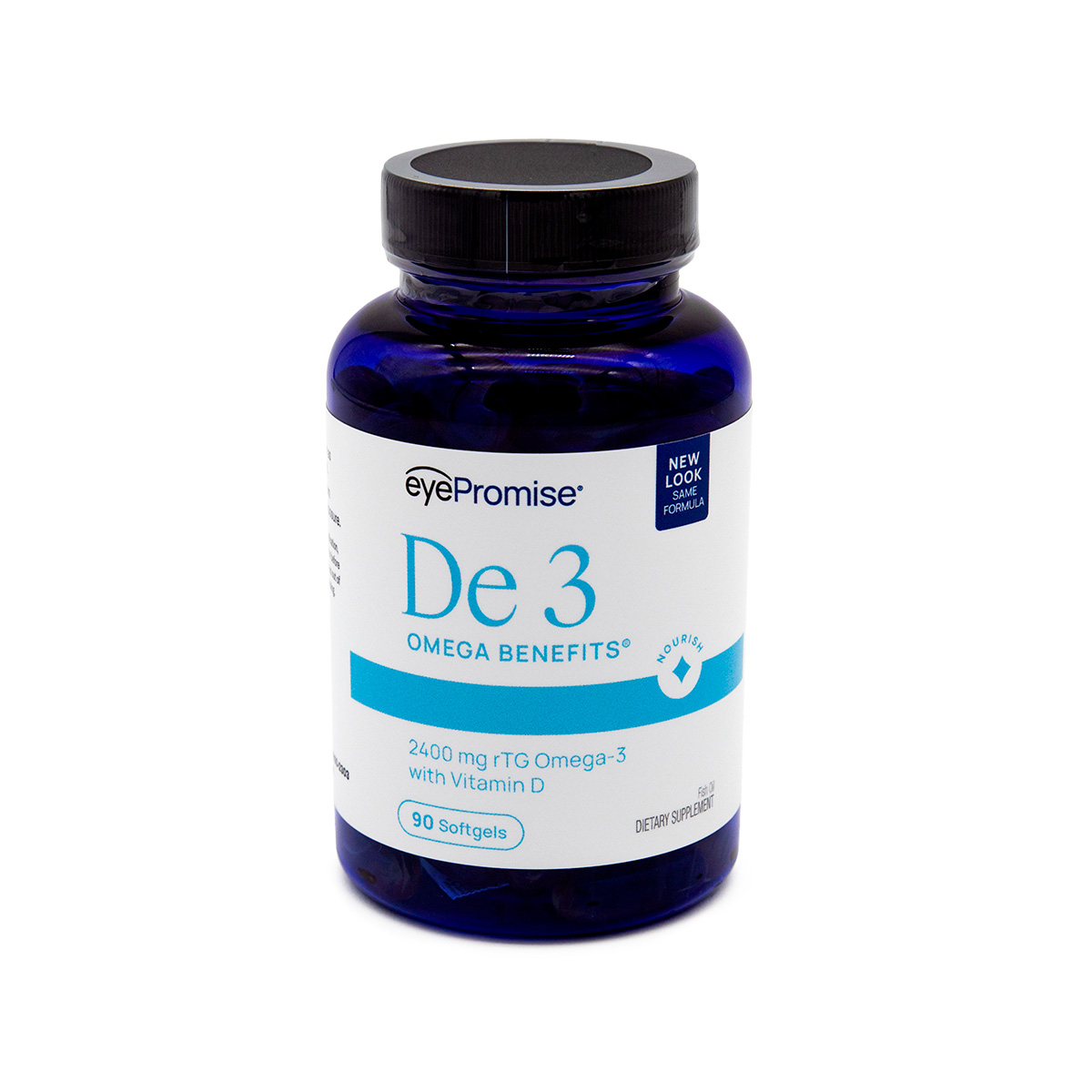
PRN De3 Dry Eye Omega Benefits softgels

Omega-3

A daily nutritional supplement.

View product
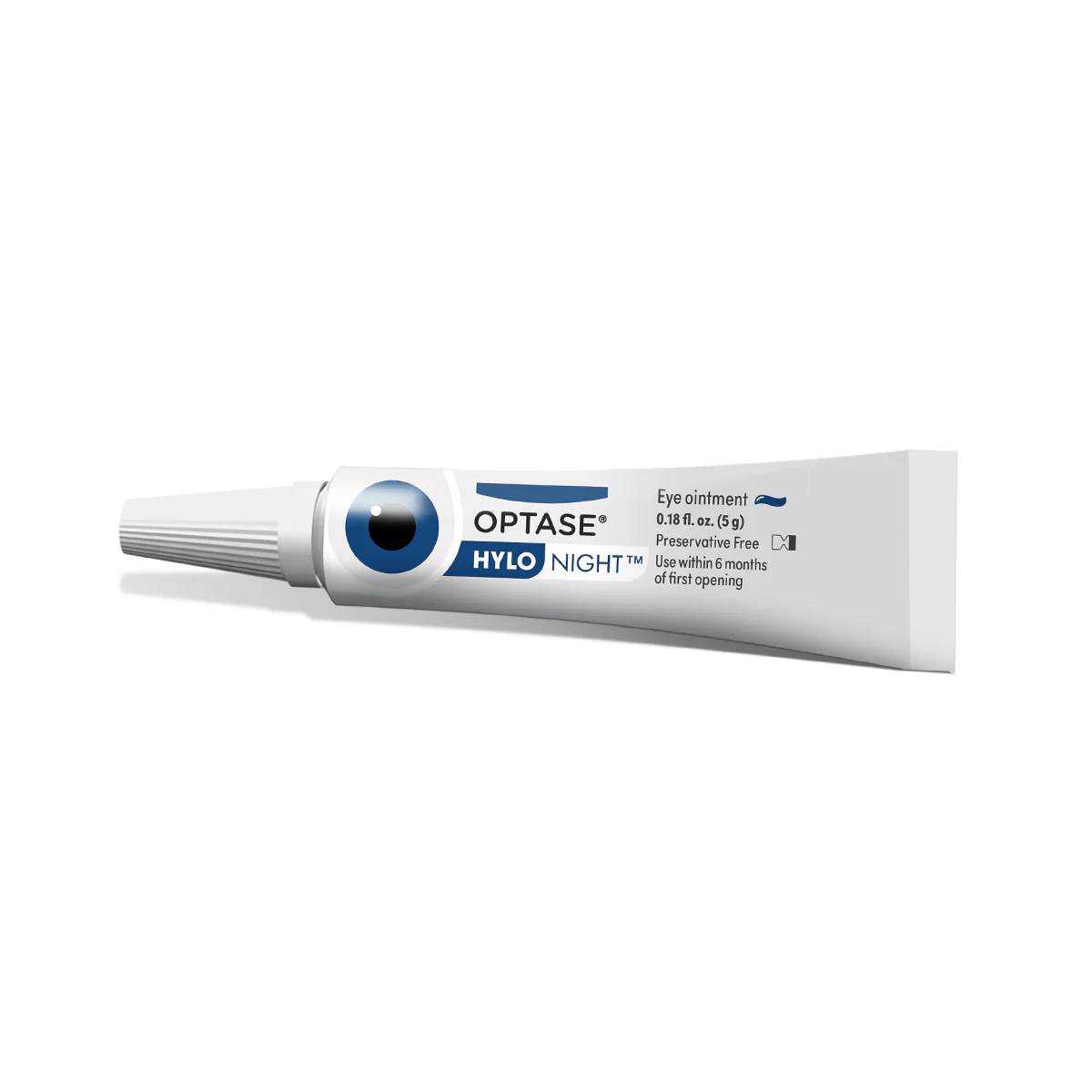
Optase Hylo Night eye ointment

Overnight ointment

Comfort while you sleep.

View product

Find dry eye care near you.

Search the doctor locator, then ask the office how visits, tests and treatments are billed before your appointment.

Fast answers.

Does insurance pay for dry eye drops?

Over-the-counter drops and other home products are usually paid out of pocket, though FSA or HSA funds may be used for eligible OTC medicines. Prescription drops follow your pharmacy benefit.

Why is one test covered and another not?

Coverage depends on your insurer, your plan and the reason for the test. The office can check before running it.

Do I need in-office treatment to get better?

Not always. Many people start with a home routine, and doctors add in-office care when findings call for it.

Sources.

View sources

This page is for general education and is not medical, insurance or financial advice. Coverage varies by insurer and plan. Prices are VisionRescue.com list prices on the date shown and may change. Only an eye care professional who has examined you can recommend what is right for your eyes.

Back to eye care services and treatments