Back to eye care services and treatments
Eye allergy care
Comfort for allergy-season eyes.
Pollen, pets and dust can leave eyes itchy, watery and puffy during allergy season.

Itching is the giveaway.
An eye doctor can put together a simple plan to help you stay comfortable all season. Allergy-season eyes tend to itch first and most. Burning and a sandy feeling are more typical of dryness, and many people notice a bit of both.
Your options, at a glance.
At-home care
Avoid triggers and use cool compresses.
Over-the-counter
Allergy itch-relief drops from the pharmacy.
Eye exam
An optometrist or ophthalmologist takes a look.
Prescription options
Prescription eye drops your doctor may discuss.
Dryness care
Added when itch and dryness overlap.
Allergy specialist
An allergist, when symptoms go beyond the eyes.
What your eye doctor will look at.
Your triggers
Seasons, pets, dust and where symptoms flare.
Your eyelids
How the lids and lashes look up close.
Your tear layer
Dryness often rides along with allergies.
Other causes
Pain or discharge calls for a different plan.
Contact lens fit
Lenses can trap pollen against the eye.
Drops you already use
Some redness relievers are not for daily use.
Common at every age.
Allergy-season eyes are one of the most common reasons people visit an eye doctor.
Relief usually starts simply.
Avoiding triggers, cool compresses and an over-the-counter itch-relief drop help many people. Your eye doctor can discuss other options when needed.
Daily habits
Keep allergens away from your eyes.
Wash your face and hands after being outdoors, keep windows closed on high-pollen days, and wash pillowcases often during allergy season.
Contact lens wearers have options.
Taking lenses out before using drops, or switching to fresh daily lenses during allergy season, helps many people.
Before your visit.
Note your timing
When symptoms start, and whether they follow a season or a pet.
List your drops
Bring the names of any eye or allergy products you use.
Bring your lenses
Wear glasses and bring your contact lens box if you wear lenses.
What often comes next.
Cool comfort at home.
Cool compresses and lubricating drops can feel soothing alongside the plan your eye doctor recommends.

Soothe allergy-season eyes.
Ask your eye doctor which of these fits you before you start.
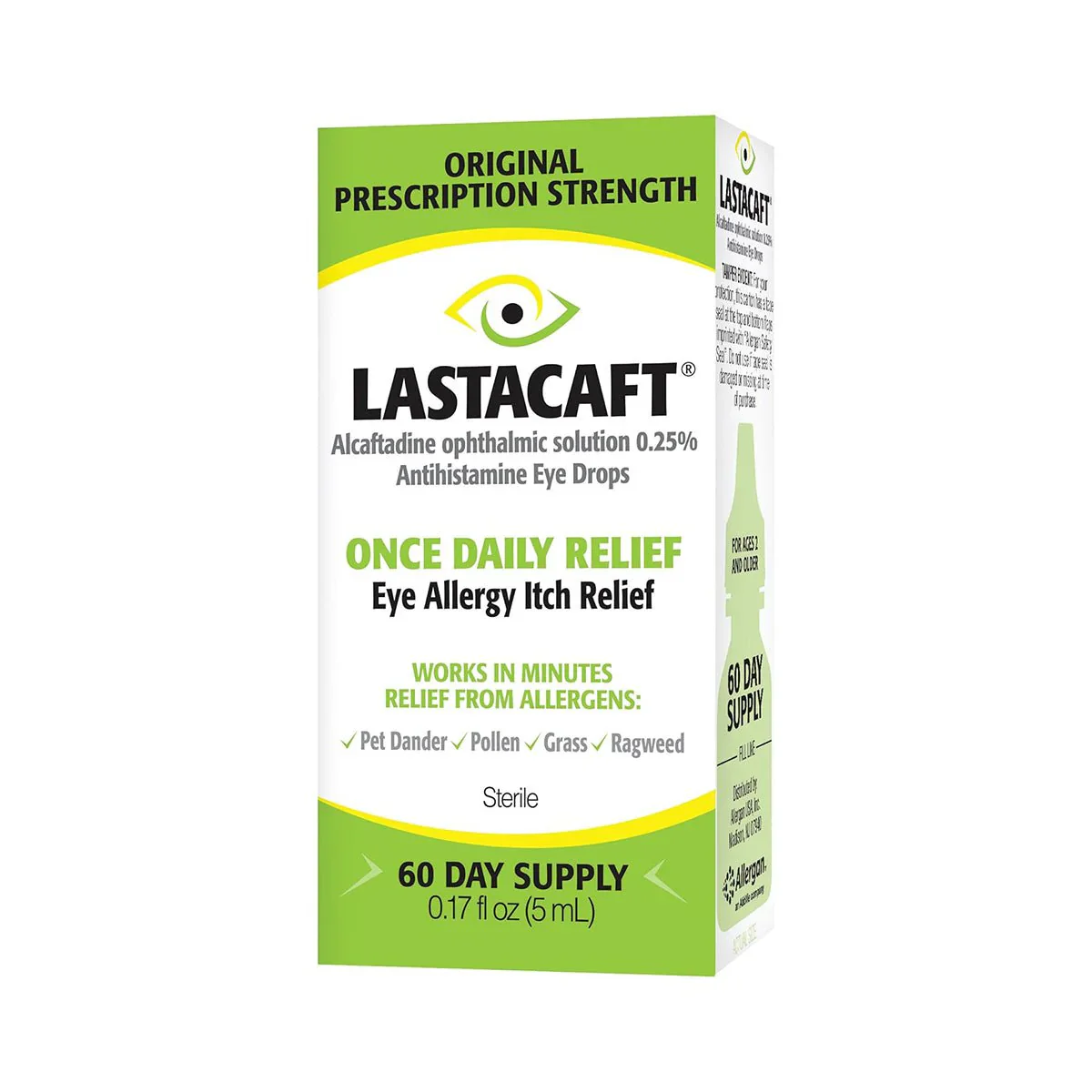
Once-a-day itch relief
Labeled to relieve itchy eyes due to pollen, ragweed, grass, animal hair and dander.
Shop Lastacaft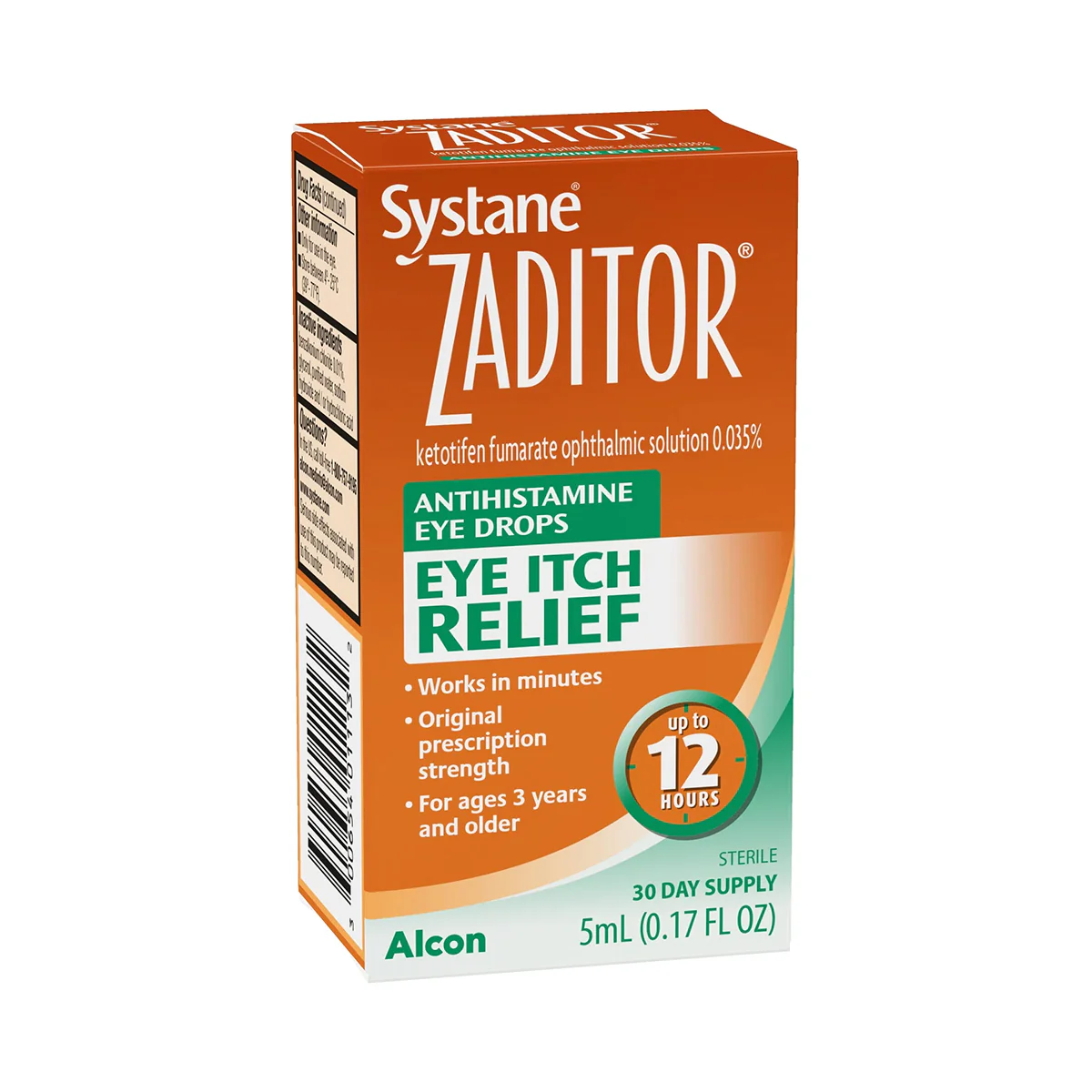
Antihistamine drops
An over-the-counter drop labeled for temporary relief of itchy eyes due to allergens.
Shop Zaditor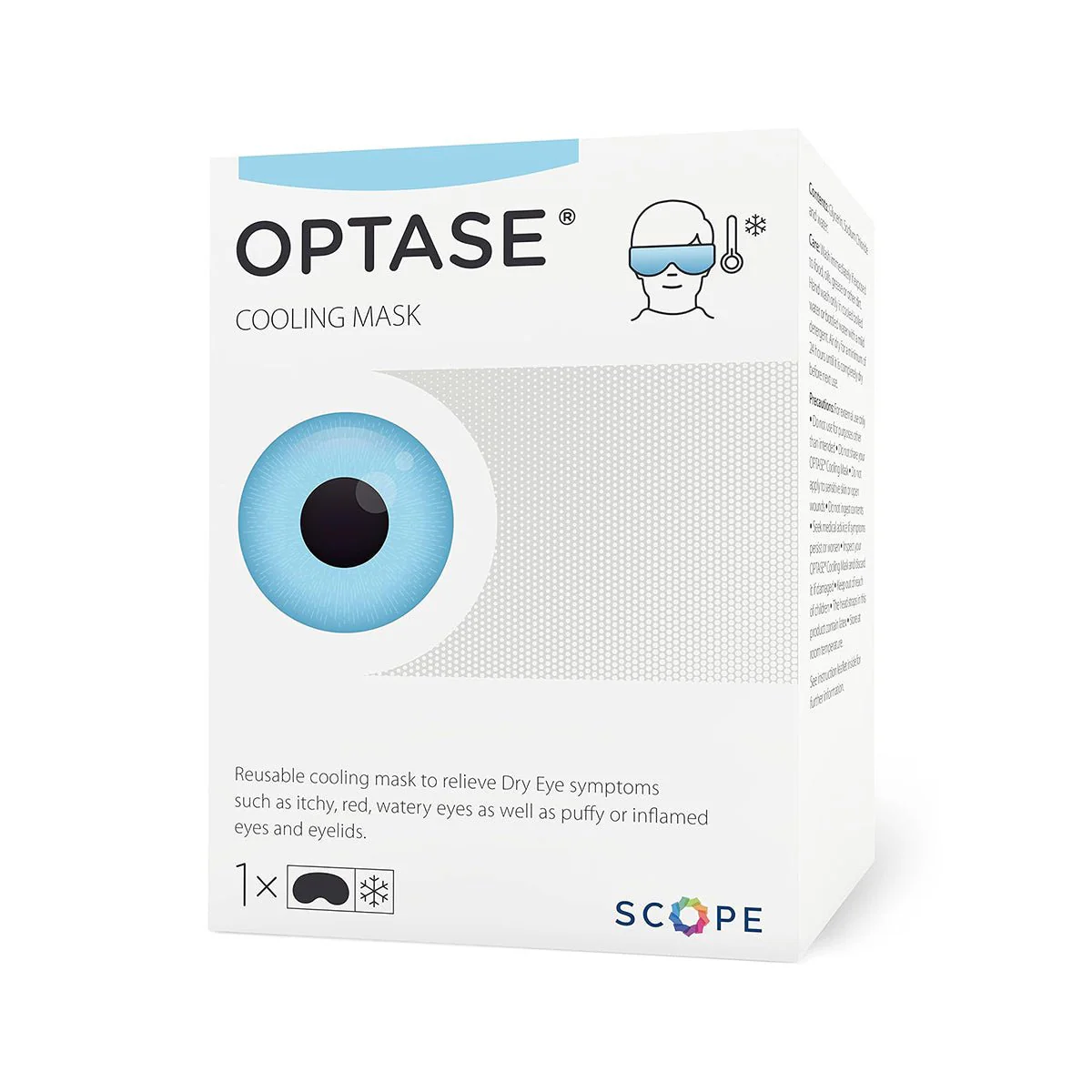
Keep exploring.
Eye care product makers


Fast answers.
Are allergy eye drops safe for children?
Some over-the-counter allergy drops are labeled for ages two and up. Check the label and ask your eye doctor.
Can whitening drops be used every day?
Redness relievers are meant for occasional use. For daily itch, ask your eye doctor about an itch-relief drop instead.
How can allergy be told apart from other causes?
Itching points toward allergy, while thick discharge, pain or light sensitivity are reasons to see an eye doctor soon.
Is a prescription usually needed?
Many people do well with over-the-counter options and simple habits. If not, your eye doctor can discuss other options.
Find an eye doctor near you.
Your eye doctor will recommend what fits you.
Back to eye care services and treatments
Sources and notes
- MedlinePlus: Conjunctivitis or pink eye
- National Eye Institute: Pink eye
- CDC: Treatment of pink eye
- EyeWiki: Allergic conjunctivitis
- Clinic photos on this page are AI-generated illustrations. Device maker logos link to each company's website.
- Full source list: Vision Rescue sources
This page is for general education and is not medical advice. Only an eye care professional who has examined you can recommend what is right for your eyes.