Back to eye care services and treatments
Children's eye care
Pediatric Eye Exam
Children may not notice or mention that they have trouble seeing. A full eye exam on the right schedule finds problems like lazy eye, eye turns and blur in time to treat them.
A screening is not an eye exam.
School and pediatrician screenings are helpful, but they can miss problems. The American Optometric Association recommends a first eye exam between 6 and 12 months, at least one between ages 3 and 5, one before first grade and then every year through age 17.
When to schedule an exam.
Based on the American Optometric Association schedule for children without known risks.
6 to 12 months
The first full eye exam for your baby.
Ages 3 to 5
At least one exam during the preschool years.
Before 1st grade
An exam before reading and school work ramp up.
Ages 6 to 17
Every year as your child grows.
Sooner if needed
Eye turns, squinting or rubbing call for a visit.
InfantSEE
Some optometrists offer a free infant assessment.
Glasses for kids
Safety comes first.
Federal rules require impact-resistant lenses in all eyeglasses, and pediatric eye specialists recommend polycarbonate lenses for children.
Make them stay on
Straps and soft temple tips help glasses stay put on active kids. A good fit keeps each eye centered behind the lens.
Common findings.
Lazy eye
Amblyopia is treated with glasses, patching or drops.
Eye turns
Strabismus may need glasses, therapy or surgery.
Blur
Nearsight, farsight and astigmatism are corrected.
Set your child up for clear sight.
Kid-friendly testing.
Eye doctors use pictures, lights and lenses so even children who cannot read letters yet can be tested.
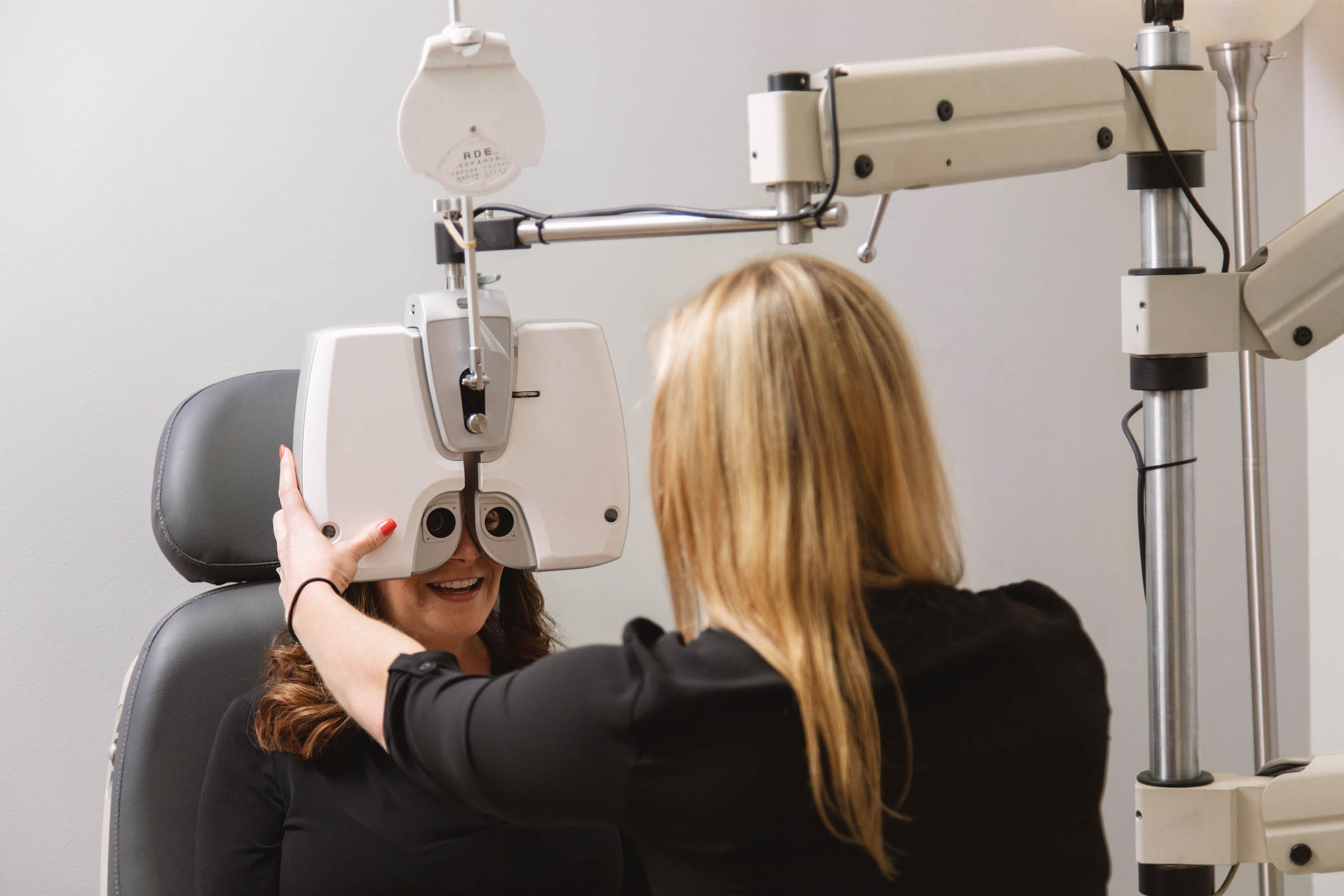
Helpful for kids.
Small items that help with comfort and glasses fit. Ask your eye doctor what fits your child.
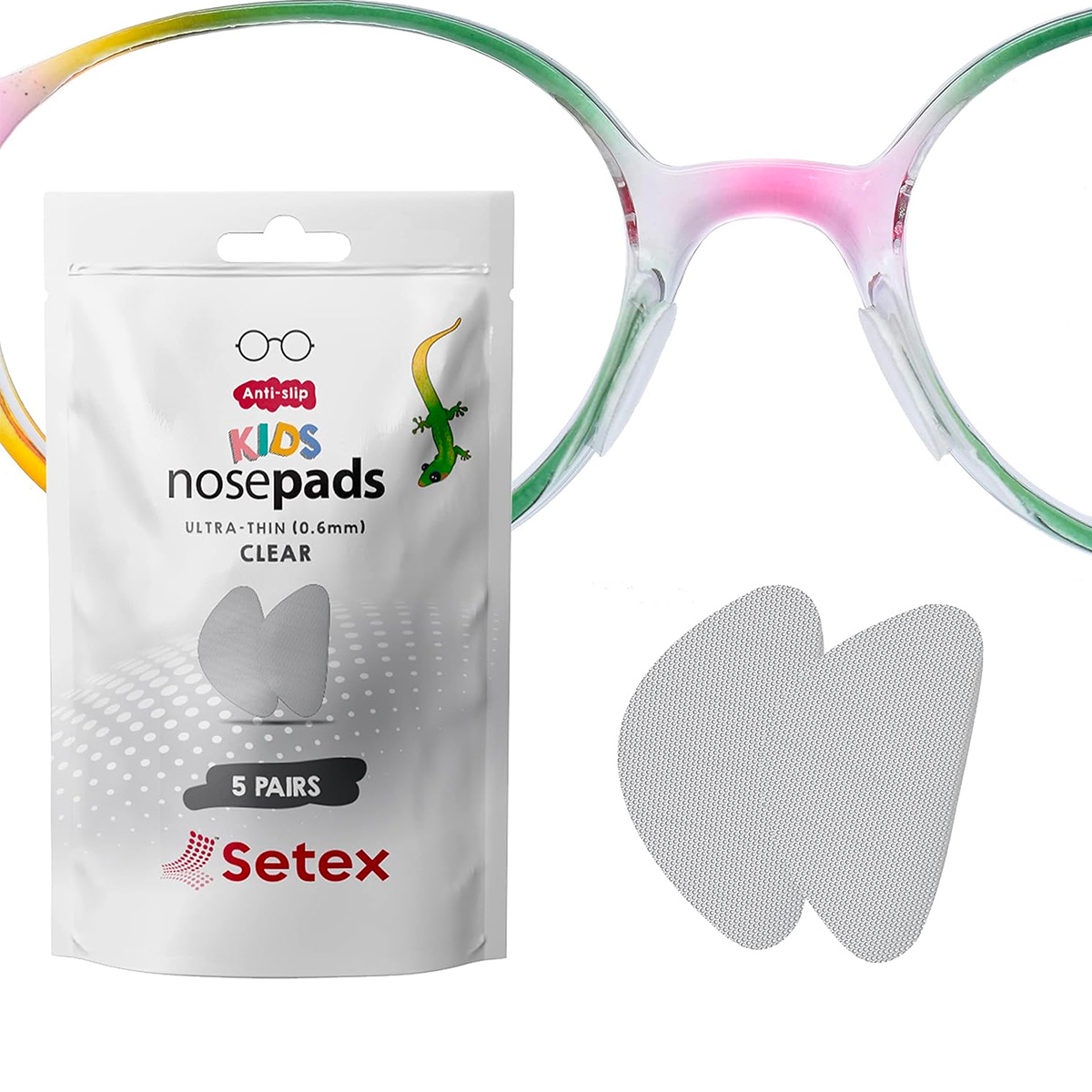
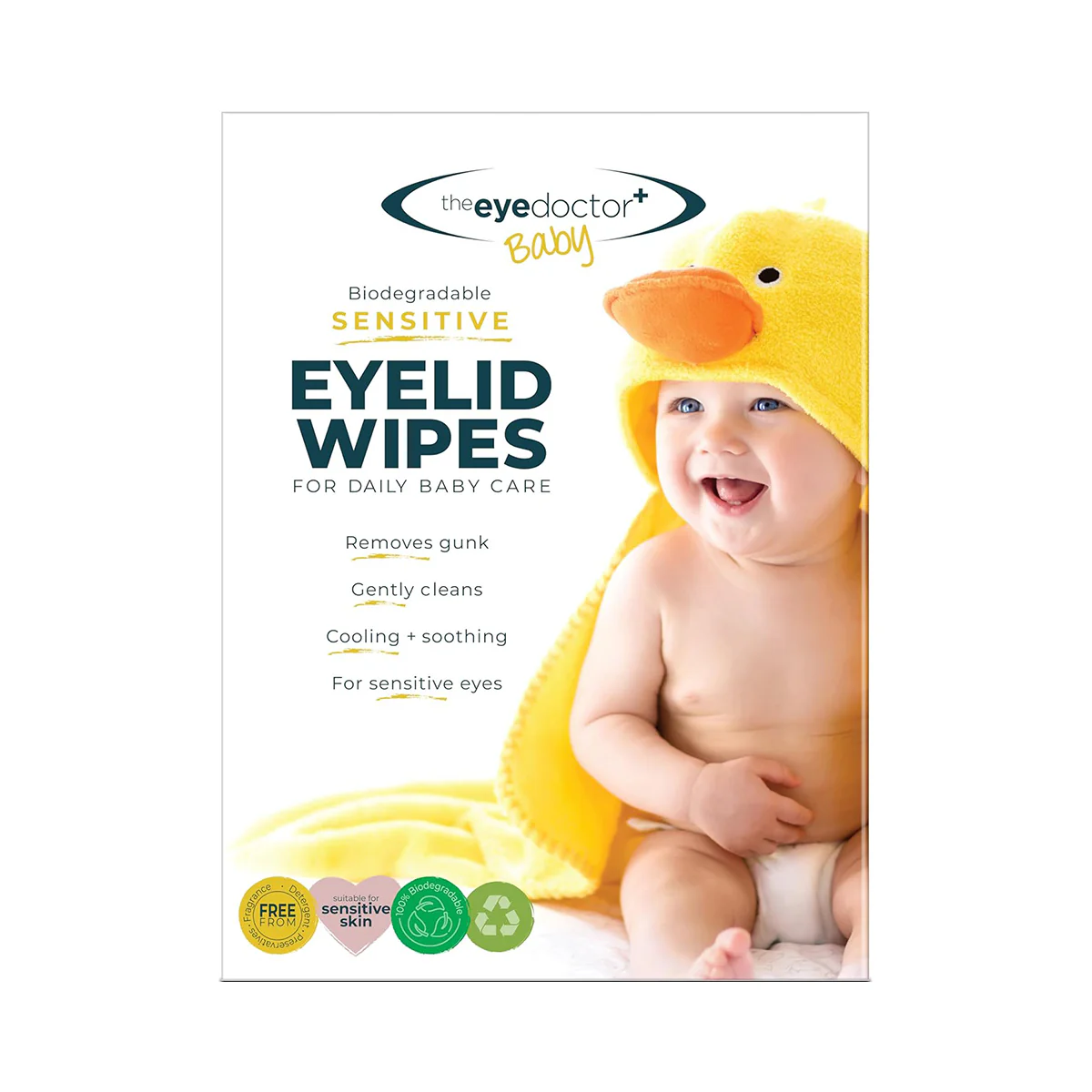
Keep exploring.
Fast answers.
When should my child's first eye exam be?
The American Optometric Association recommends the first full eye exam between 6 and 12 months of age.
Is the school vision screening enough?
No. A screening only flags children who may need help. A full eye exam checks focusing, eye teaming and eye health.
What is lazy eye?
Amblyopia happens when the brain relies on one eye. It is treated with glasses and, if needed, patching, eye drops or approved digital therapy.
How many hours of patching are needed?
It depends. A large study found 2 hours a day worked as well as 6 hours for moderate lazy eye in children 3 to 7.
What lenses are best for kids?
Pediatric eye specialists recommend polycarbonate lenses because they are shatterproof.
Book your child's eye exam.
Find an eye doctor near you who sees children.
Back to eye care services and treatments
Sources and notes
- American Optometric Association: Recommended eye exam frequency
- American Optometric Association: Infant vision and InfantSEE
- National Eye Institute: Amblyopia
- Repka MX, et al. Patching regimens for moderate amblyopia, 2003
- AAPOS: Glasses for children
- All Vision Rescue sources
- Exam-room photography is an owned Eye Care Advisors asset approved for use by Vision Rescue. Product names belong to their makers and are listed for information only.
This page is for general education and is not medical advice. Only an eye care professional who has examined you can recommend what is right for your eyes.