Back to eye care services and treatments
Neurotrophic keratitis
When the eye cannot feel, it struggles to heal.
Neurotrophic keratitis is a rare condition in which the nerves of the cornea, the clear front window of the eye, are damaged. With less feeling, small scratches can turn into sores that do not heal, often with surprisingly little pain.
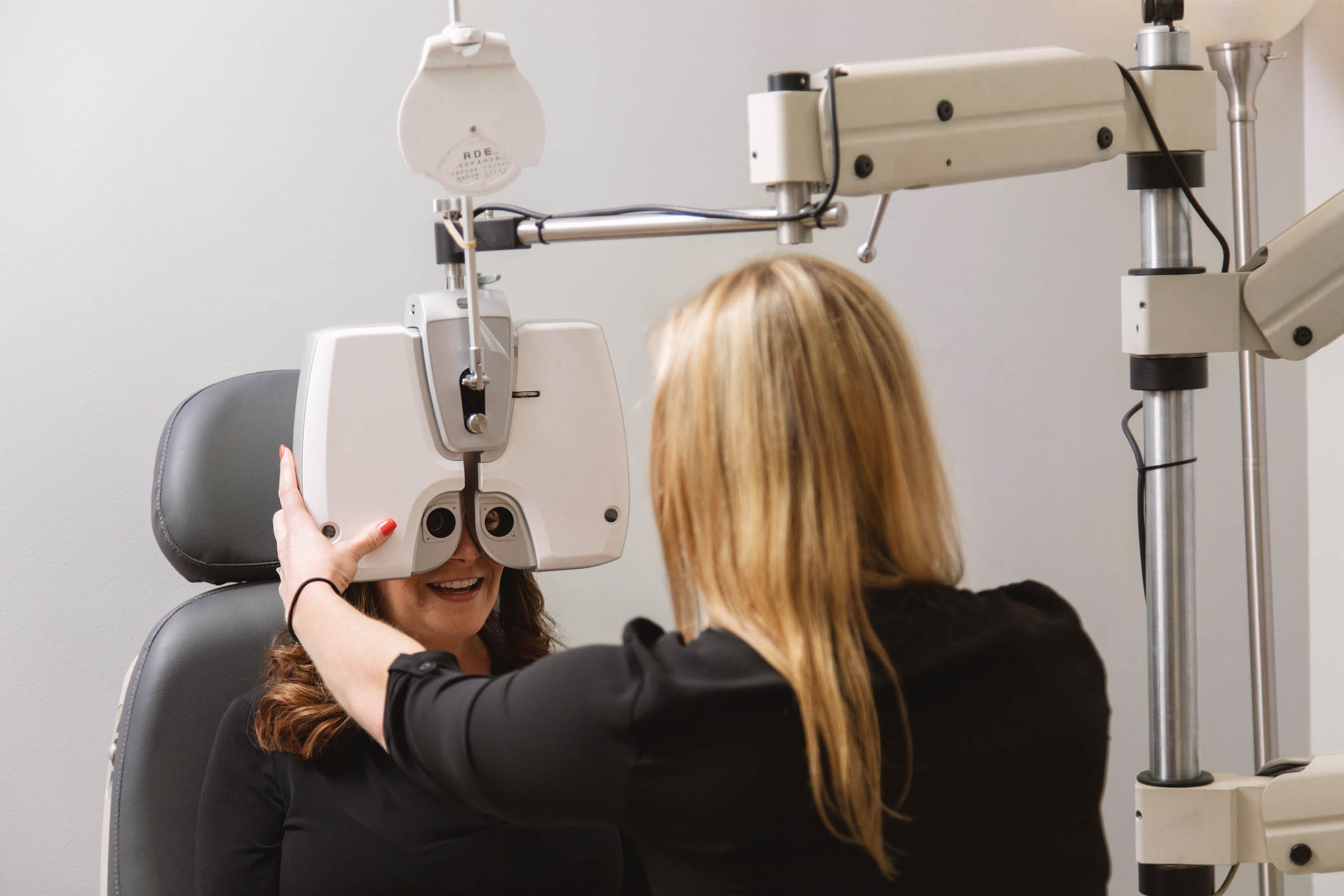
Less feeling, slower healing.
Corneal nerves help keep the surface healthy and trigger blinking and tears. When they are damaged, the surface can break down without the warning pain most people would feel.
Who is more likely to develop it.
Past eye herpes
Cold sore or shingles virus in the eye.
Diabetes
Long-term diabetes can affect nerves.
Eye surgery
Some corneal and refractive procedures.
Nerve injury
Surgery or injury near the face nerve.
Long-term drop use
Some medicated drops used for years.
Contact lens damage
Rarely, long-term lens problems.
Why it is easy to miss.
Because the eye feels less, people may notice only blurry vision or redness. An eye doctor can test how well the cornea senses a gentle touch or puff of air.
There is an approved treatment.
An FDA-approved prescription eye drop based on nerve growth factor is used six times a day for eight weeks. In one key study, about 7 in 10 treated eyes healed completely, compared with about 1 in 3 on an inactive drop.
Protecting the surface
Other care continues alongside.
Your doctor may stop drops that irritate the eye, add preservative-free lubricants, or use a protective lens or membrane while the cornea heals.
Follow-up matters.
Healing is checked closely during treatment, and the condition can return, so regular visits continue afterward.
Before your visit.
List your history
Eye infections, surgery, diabetes and nerve problems.
Bring every eye drop
Including ones you use only sometimes.
Describe what you notice
Blur, redness or a feeling that something is different.
How care usually unfolds.
Tests that look for it.
A special dye shows damaged areas of the cornea, and a sensitivity test measures how well the cornea can feel.

Gentle lubrication.
Your eye doctor will tell you which preservative-free products are right during treatment.
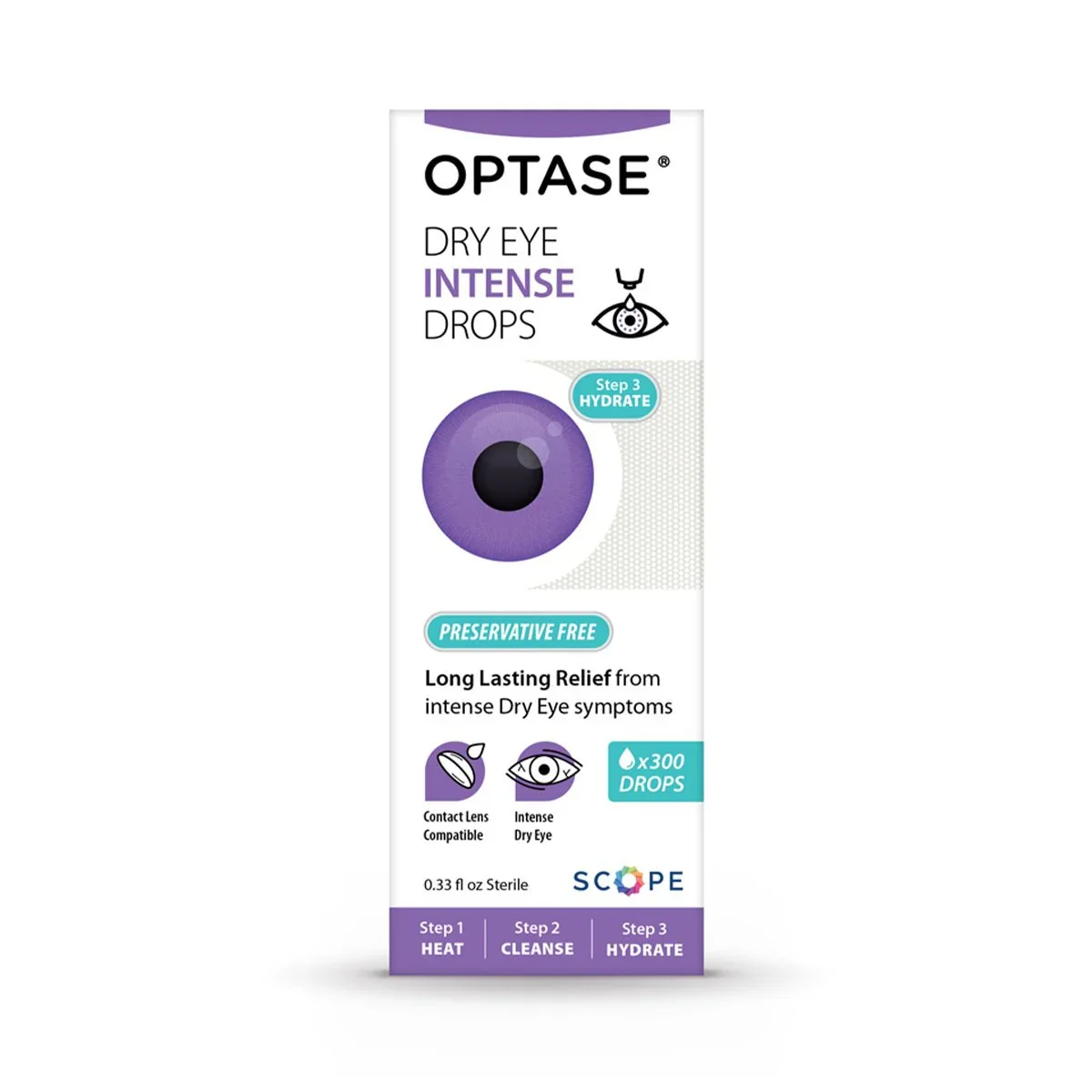
Preservative-free drops
Lubricating drops without preservatives, for frequent daytime use.
Shop Optase Intense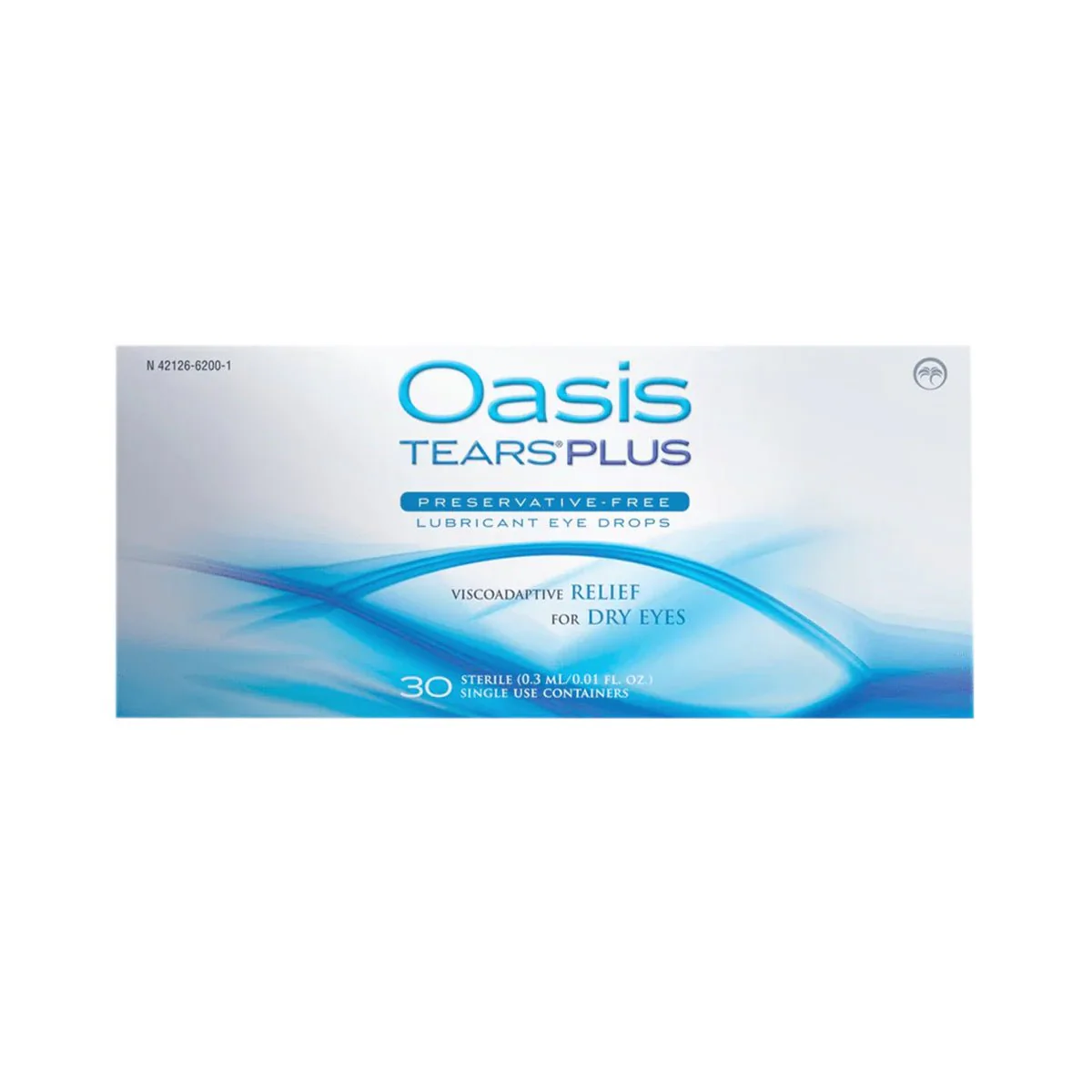
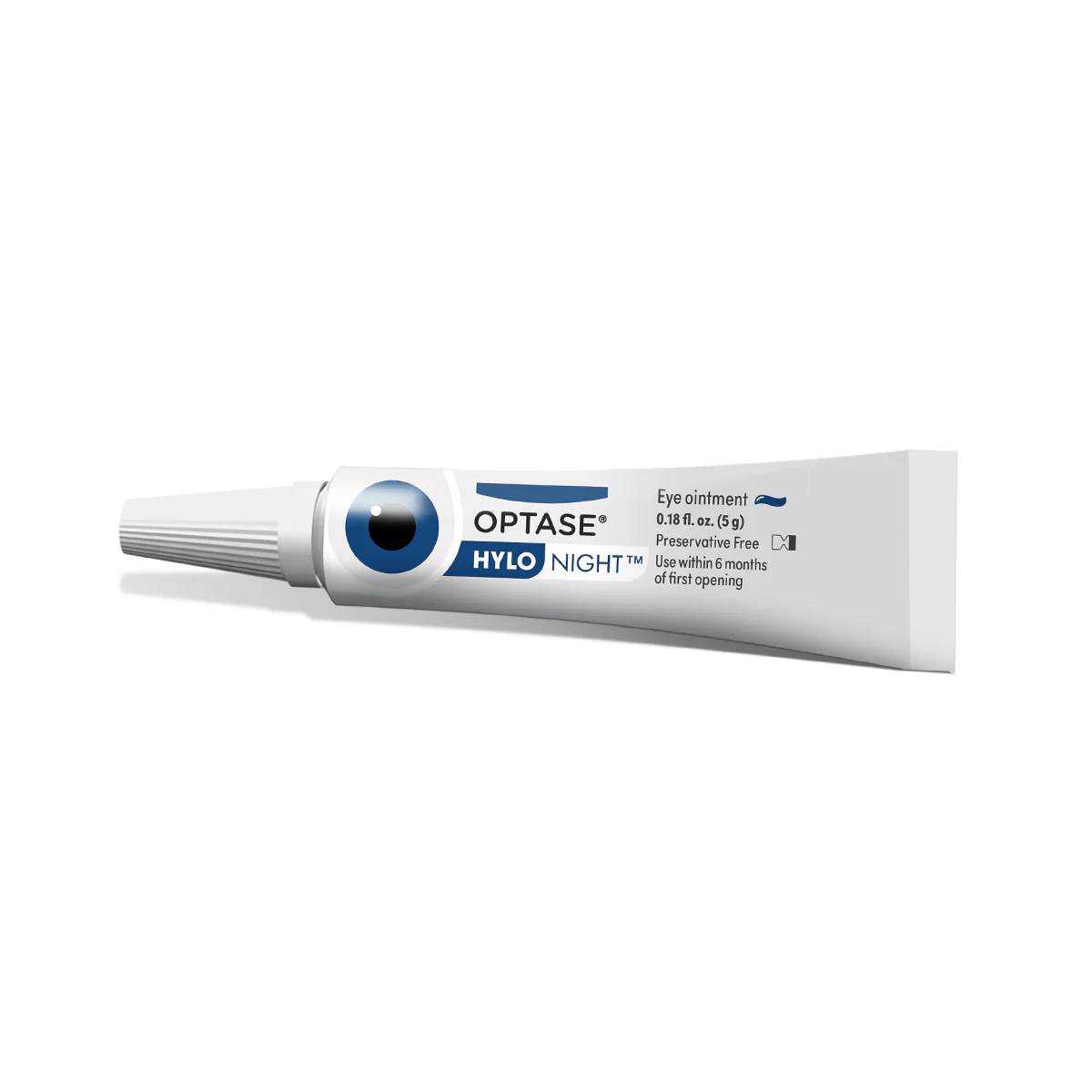
Overnight ointment
A thicker, preservative-free layer for eyes that dry out while you sleep.
Shop Hylo NightKeep exploring.
Fast answers.
Is neurotrophic keratitis painful?
Often not very, because the nerves that sense pain are affected. That is why it can be missed.
How long does treatment take?
The approved prescription eye drop is used six times a day for eight weeks.
Can it come back?
Yes. Some healed eyes have a recurrence, so ongoing checkups are important.
Who treats it?
Optometrists and ophthalmologists diagnose and manage it, sometimes together with a cornea specialist.
See an eye doctor about a slow-healing eye.
Use the Vision Rescue doctor locator to find care near you.
Back to eye care services and treatments
Sources and notes
- FDA prescribing information: nerve growth factor eye drop (2018)
- National Eye Institute: Corneal conditions
- Exam-room and showroom photography are owned Eye Care Advisors assets approved for use by Vision Rescue.
- Full source list: Vision Rescue sources
This page is for general education and is not medical advice. Only an eye care professional who has examined you can recommend what is right for your eyes.