Back to the eye care insurance guide
Health insurance and eye care
When your health plan pays for eye care.
Health plans from companies like Blue Cross Blue Shield, UnitedHealthcare, Aetna, Cigna and Humana often cover visits for eye problems, even when they do not cover routine checkups.
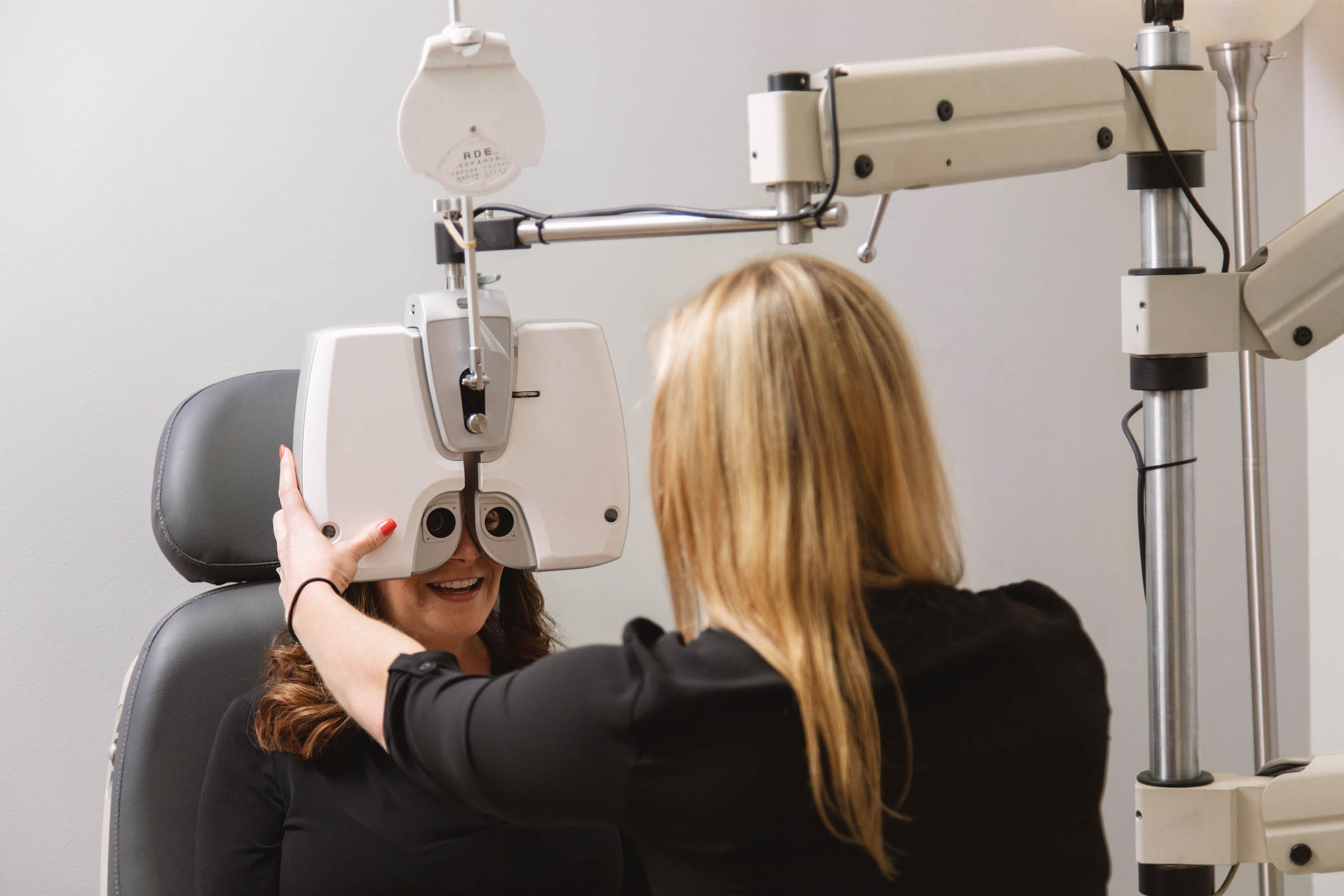
Eye problems are health problems.
When your eyes hurt, itch, burn, look red or see differently, the visit is usually treated like any other medical visit. Your health plan’s copay, deductible and coinsurance apply, and your vision benefit stays available for glasses or contacts.
Visits health plans often cover.
Dry eye care
Visits and testing for ongoing dryness or burning.
Red or sore eyes
Checking for infection, allergy or irritation.
Diabetes eye check
A yearly exam to look at the back of the eye.
Glaucoma follow-up
Pressure checks and tests your doctor orders.
Eyelid problems
Bumps, swelling or irritation along the lids.
Sudden changes
New floaters, flashes or vision loss need care fast.
Your health insurer may also run your vision plan.
Some health insurers sell a separate vision product that runs on a vision company’s network, such as EyeMed for some Aetna, Cigna and Humana plans, or Spectera for UnitedHealthcare. Your vision card shows which one you have.

Check before you book.
Keep exploring.
Fast answers.
Do I need a referral to see an eye doctor?
It depends on your plan. Some HMO-style plans require one for specialist visits, so check before you book.
Will my health plan pay for my glasses?
Usually not. Glasses and contacts are normally covered through a vision benefit, if you have one.
Does my health plan cover routine eye exams?
Some do as a limited benefit, often once every year or two. Many people get routine eye care through a separate vision plan.
What should I bring?
Your health insurance card, your vision card if you have one, a list of medicines and your current glasses or contacts.
Start with your annual eye exam.
Bring your vision and medical insurance cards to every visit. No eye doctor yet? Search the Vision Rescue doctor locator for a practice near you.
Back to the eye care insurance guide
Sources and notes
- Blue Cross & Blue Shield of Rhode Island: Ophthalmology Examinations and Routine Eye Examinations payment policy
- Aetna: Aetna Vision Preferred network options
- Cigna: Cigna Vision network access plan
- Humana: Humana Vision plan summary (North Carolina)
- UnitedHealthcare: Vision insurance plans
- Plan names are trademarks of their owners. Vision Rescue is not affiliated with or endorsed by any insurance plan named on this page.
This page is general education, not insurance, legal or medical advice. Benefits differ by plan and change over time, so check your own plan documents or call the number on your member card. Only an eye care professional who has examined you can recommend what is right for your eyes.