Back to the eye care insurance guide
Vision vs medical insurance
Why your eye visit may use your health plan.
The reason you book an eye appointment often decides which insurance is used. A checkup for new glasses and a visit for sore, dry eyes are handled differently.
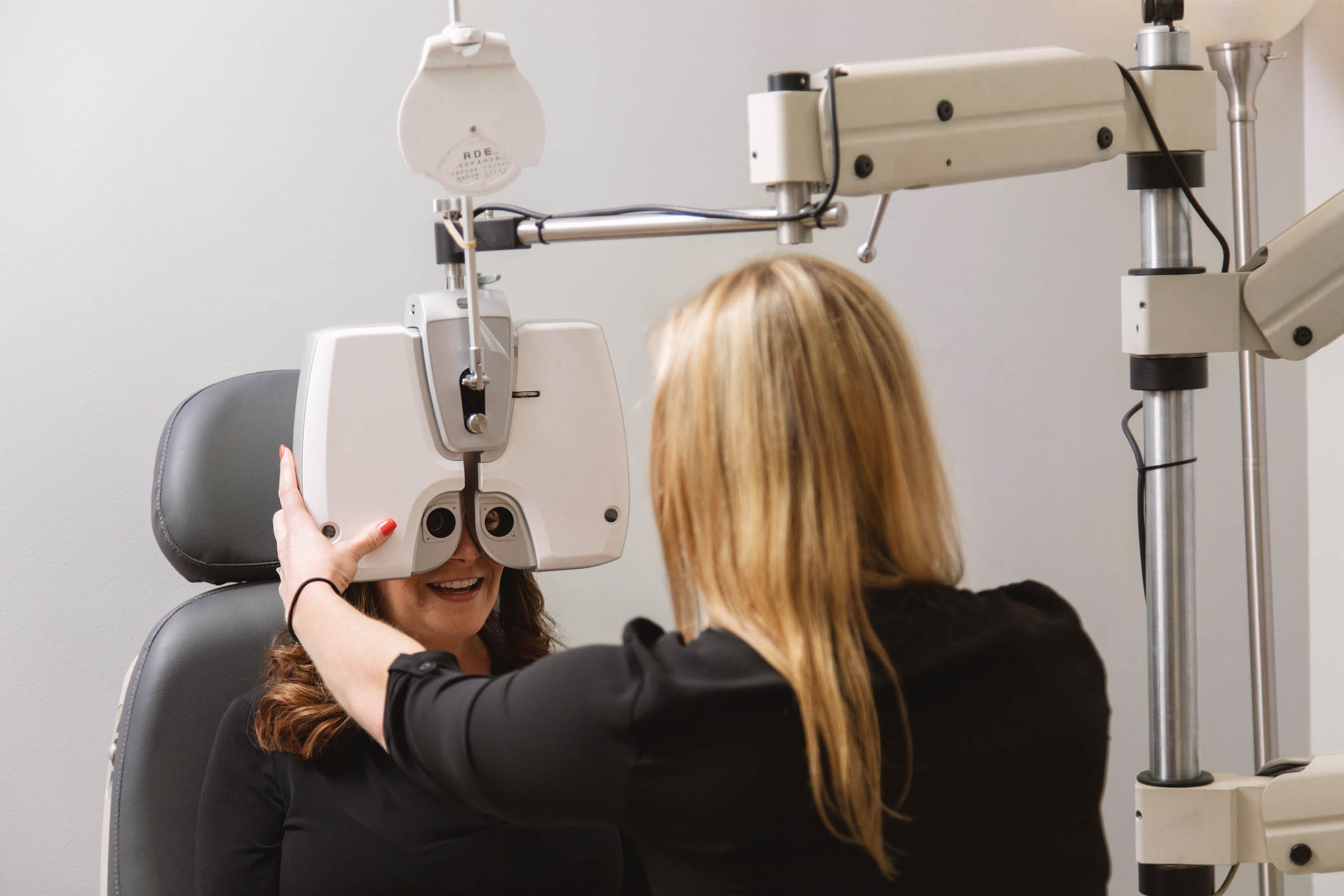
Routine checkups and eye problems are paid differently.
If you come in for a yearly exam with no complaints, your vision benefit is usually used. If you come in because something is wrong, like burning, redness or blurry vision that comes and goes, your doctor may bill your health insurance instead.
Which plan is usually used.
Yearly checkup
Usually your vision benefit, if you have one.
Glasses or contacts
Your vision plan allowance, plus any upgrades.
Dry, gritty eyes
Usually your health insurance, as a medical visit.
Red or irritated eyes
Usually your health insurance.
Diabetes eye exam
Usually your health insurance, once a year.
Prescription check
Some plans, including Medicare, do not cover it.
Your doctor records what they find.
Each visit is recorded with a diagnosis that describes the eye condition, such as dry eye or eyelid inflammation, and which eye or eyelid is affected. That record is what your health plan reviews.

Ask these before your visit.
Keep exploring.
Fast answers.
Can one visit use both plans?
Usually each service goes to one plan. A medical visit can go to your health plan while glasses still use your vision allowance.
Why was my dry eye visit not billed to my vision plan?
Vision plans are designed for routine exams and eyewear. Visits for eye problems usually go to your health insurance.
Will I pay a deductible?
Possibly. Medical visits follow your health plan’s deductible, copay or coinsurance.
Are eye drops and lid cleansers covered?
Most take-home eye care products are paid for out of pocket. HSA or FSA funds may apply to eligible items.
Start with your annual eye exam.
Bring your vision and medical insurance cards to every visit. No eye doctor yet? Search the Vision Rescue doctor locator for a practice near you.
Back to the eye care insurance guide
Sources and notes
- Medicare.gov: Eye exams (routine)
- Medicare.gov: Eye exams for diabetes
- Blue Cross & Blue Shield of Rhode Island: Ophthalmology Examinations and Routine Eye Examinations payment policy
- National Library of Medicine: ICD-10-CM code lookup
- Plan names are trademarks of their owners. Vision Rescue is not affiliated with or endorsed by any insurance plan named on this page.
This page is general education, not insurance, legal or medical advice. Benefits differ by plan and change over time, so check your own plan documents or call the number on your member card. Only an eye care professional who has examined you can recommend what is right for your eyes.