Back to eye care services and treatments
Macular degeneration care
Macular Degeneration Care
Age-related macular degeneration, or AMD, affects central vision, the sharp sight used to read, drive and see faces.

Regular exams keep you informed.
Regular eye exams, simple home checks and a plan made with your eye doctor all help you stay on top of it. Early changes are often easy to miss. A dilated exam and retina photos let your eye doctor follow the macula over time and suggest the right next steps for you.
What to expect at the visit.
An AMD visit looks closely at the macula, the small center of the retina.
Central vision
Reading charts show how well the center works.
A dilated exam
Drops widen the pupil for a full view of the macula.
Painless imaging
Photos and scans record the layers of the retina.
The range of options, in plain words.
Vision Rescue does not rank these options. Everyone is different, and your eye doctor will recommend what fits you.
Home checks
A simple grid to look at each eye, as your doctor suggests.
Eye vitamins
A specific formula for some people, if your doctor advises it.
Healthy habits
Not smoking, sunglasses and leafy greens.
Specialist care
In-office treatments from a retina specialist.
Surgery
Implants for a small number of people, by a surgeon.
Low vision aids
Magnifiers, lighting and training for daily tasks.
Watch at home
A simple grid check.
Your eye doctor may give you an Amsler grid, a sheet of straight lines you look at one eye at a time.
Report changes.
If lines look wavy or a blurry spot appears, let your eye doctor know promptly so they can take a look.
Questions to ask your eye doctor.
What stage is it?
Ask what the exam and photos show.
Are vitamins for me?
Ask if an eye vitamin fits your stage and history.
How often to visit?
Ask how often to come back for checks.
A simple plan for healthy maculas.
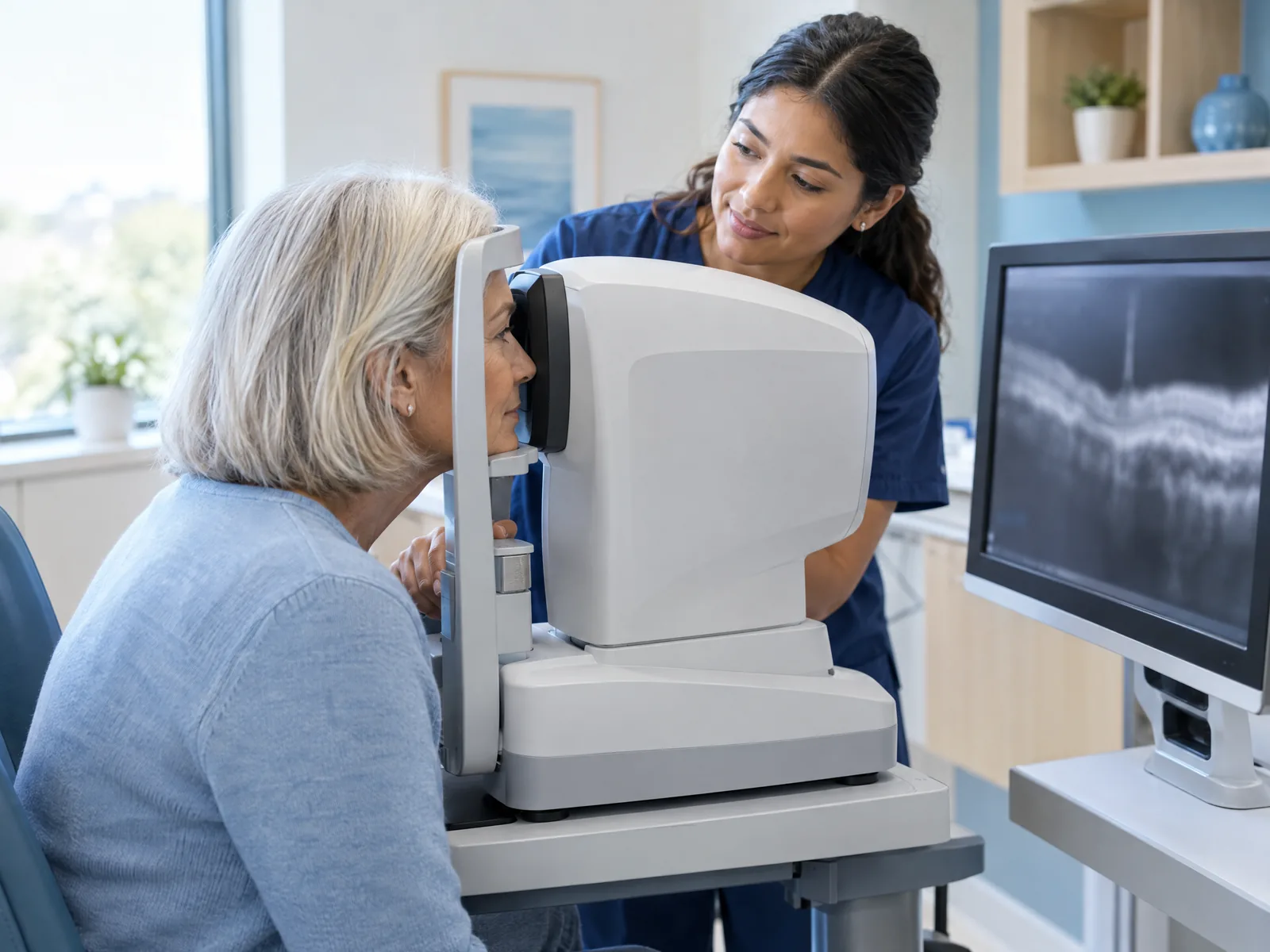
Imaging gives a clear baseline.
Retina photos and scans let your doctor compare visits side by side and spot small changes early.
Products to ask your doctor about.
Eye vitamins are not right for everyone. Ask your eye doctor which formula, if any, fits you.
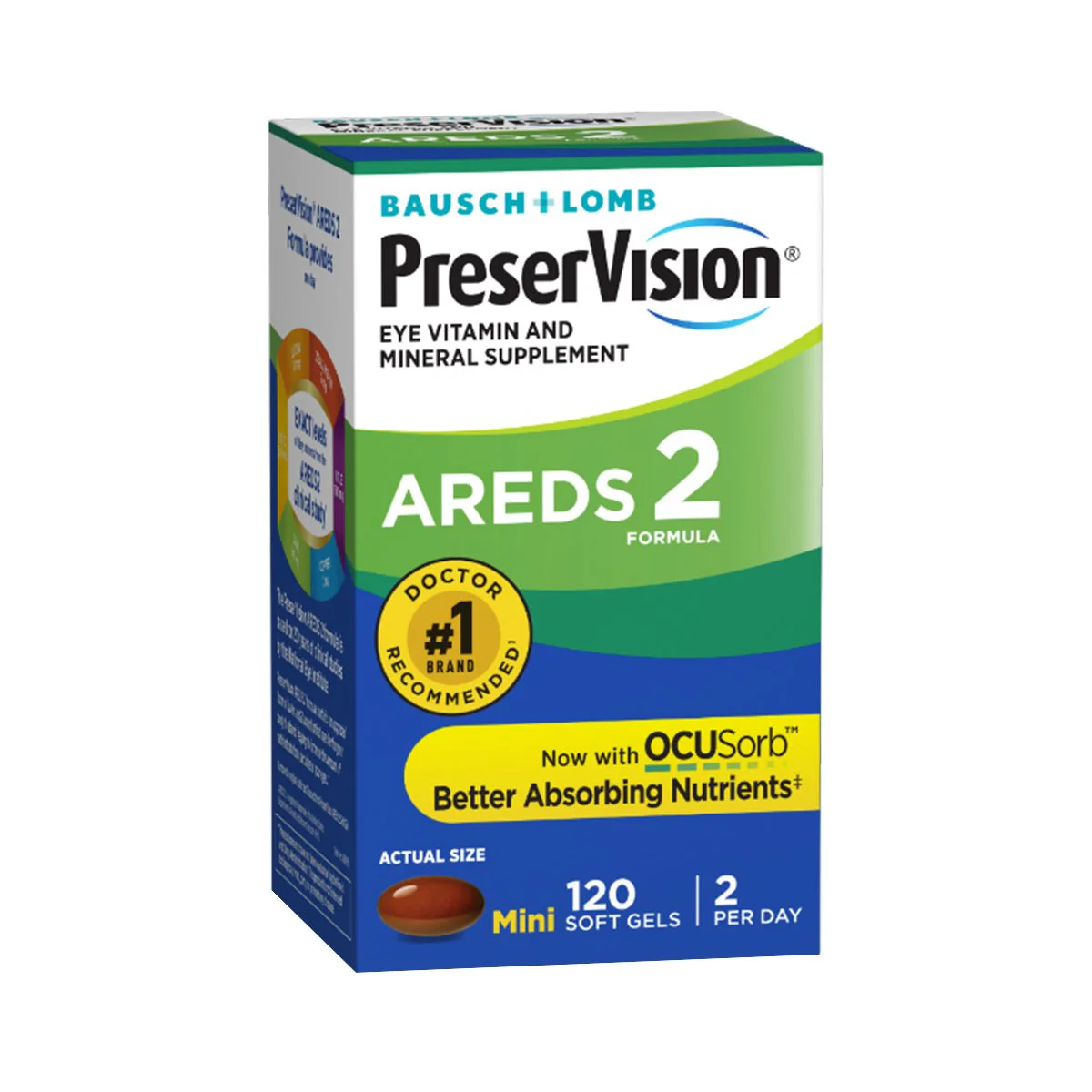
PreserVision AREDS 2
An eye vitamin based on the AREDS2 formula studied by the National Eye Institute.
Shop eye vitamins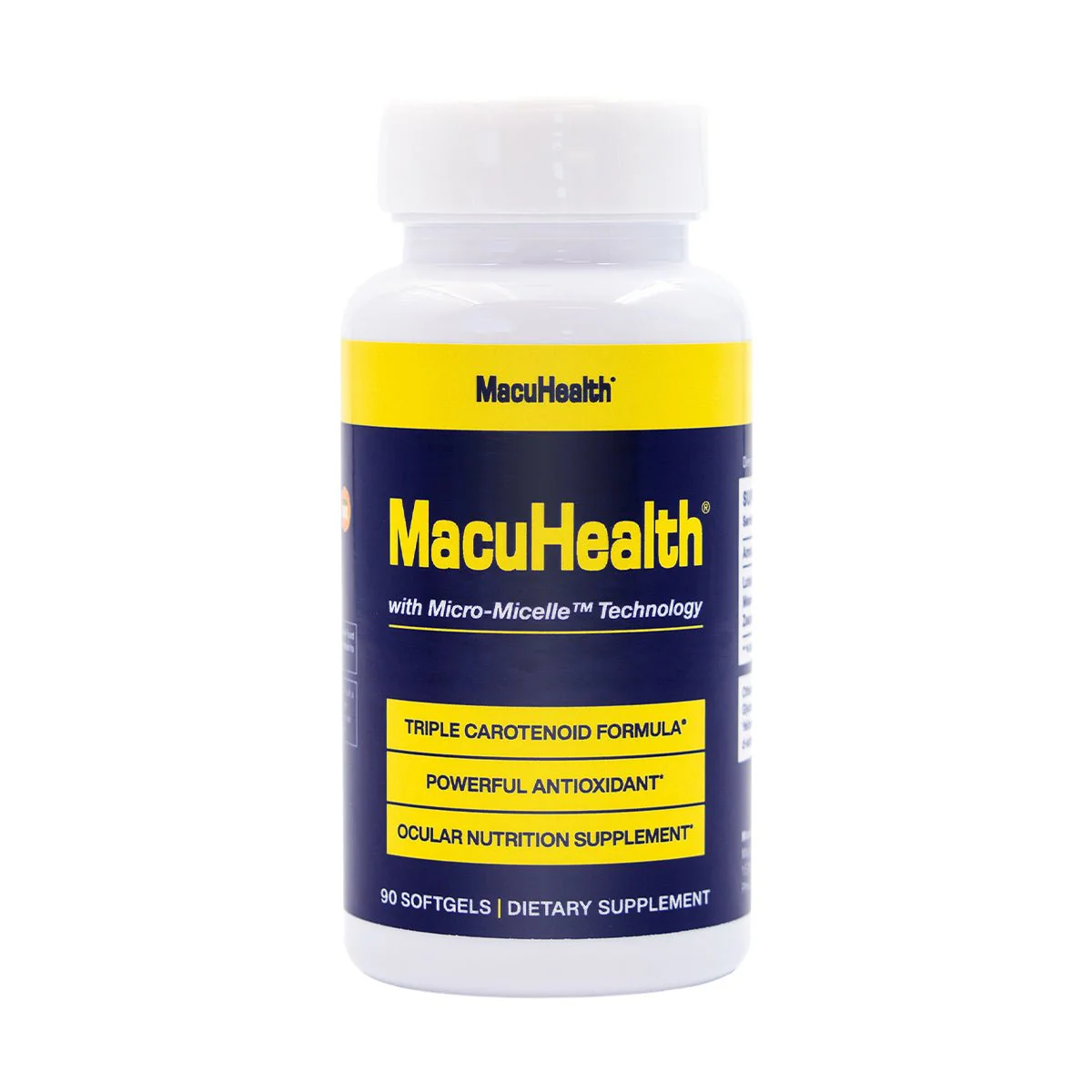

Keep exploring.
Eye vitamin makers


Fast answers.
Should everyone take eye vitamins?
No. The National Eye Institute studied a specific formula for some stages of AMD, so ask your eye doctor first.
Why does the formula matter for smokers?
Some older formulas contained beta-carotene, which is not advised for smokers. Newer formulas use lutein and zeaxanthin instead.
How often should I have my eyes checked?
Your eye doctor will set a schedule based on what they see.
Keep your central vision in focus.
No single path is right for everyone. Your eye doctor will recommend what fits you. Find an eye doctor near you with the Vision Rescue doctor locator.
Back to eye care services and treatments
Sources and notes
- National Eye Institute: Age-related macular degeneration
- National Eye Institute: AREDS and AREDS2
- American Academy of Ophthalmology: Amsler grid
- Samsara Vision: Implantable telescope
- Clinic photos on this page are AI-generated illustrations. Maker logos link to each company's website. Product names belong to their makers and are listed for information only.
- Full source list: Vision Rescue sources
This page is for general education and is not medical advice. Only an eye care professional who has examined you can recommend what is right for your eyes.