Back to eye care services and treatments
Presbyopia eye drops
Reading glasses are not the only option.
Usually after age 45, focusing up close gets harder. Prescription eye drops can now sharpen near vision for part of the day by making the pupil smaller, and an eye doctor can tell you whether they suit your eyes and routine.
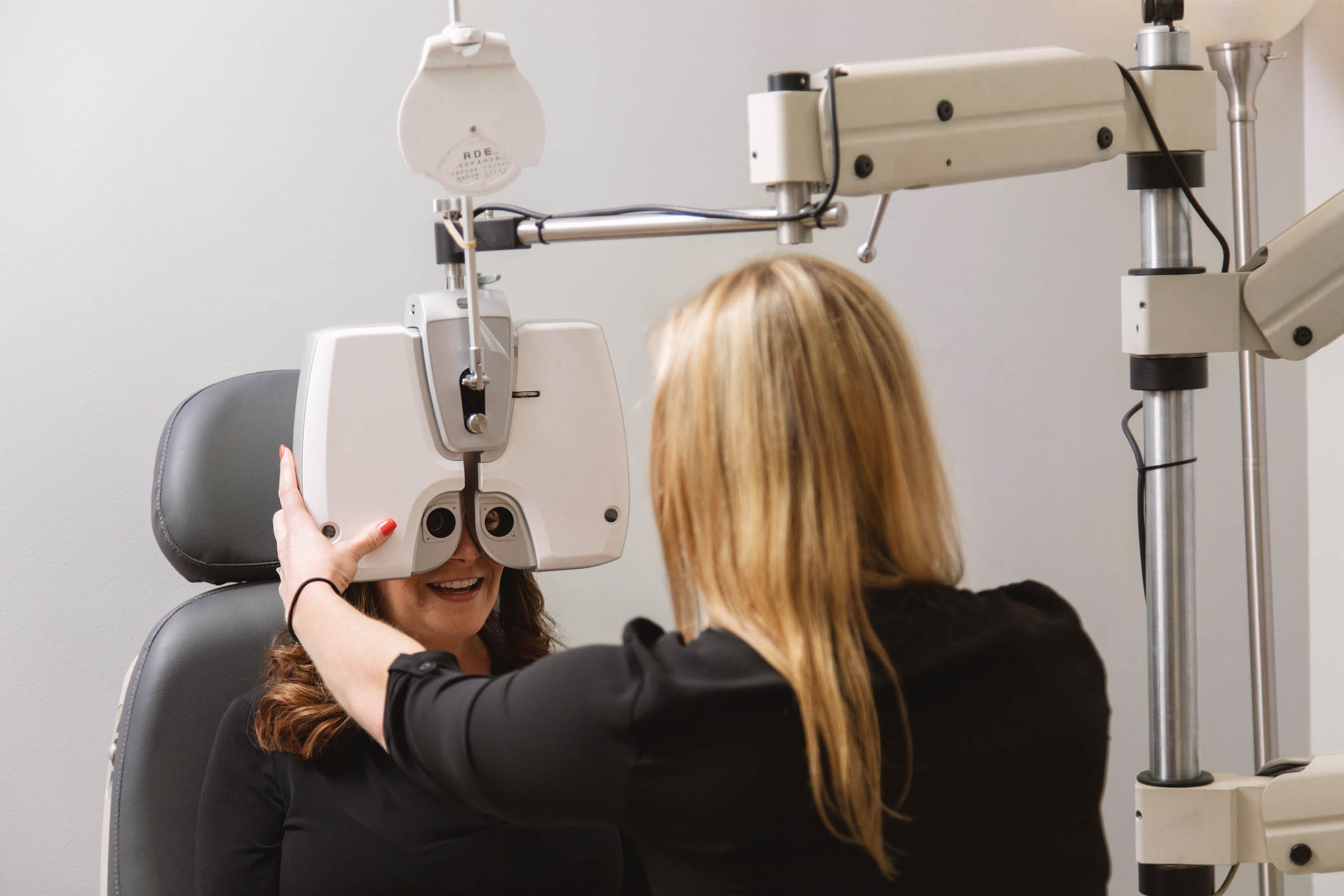
A smaller pupil, a sharper close-up.
Like squinting through a pinhole, a narrower pupil increases the range that looks clear. The effect wears off during the day, and your distance glasses or contacts still matter.
What to know before trying them.
A prescription
Your eye doctor decides if drops fit you.
Retina check first
A dilated exam comes before starting.
Dim light is harder
Night driving may feel different.
Headache or redness
The most common side effects.
Wait with contacts
Remove lenses before the drop.
Not for every task
Readers still help for long reading.
Who tends to like them.
People who want to glance at a phone, menu or price tag without reaching for readers often find drops convenient. Those who read for hours may still prefer glasses.
Several choices now exist.
Options differ in strength, how long they last and whether a second dose is allowed. Your eye doctor will match one to your day.
Safety first
Watch for flashes or floaters.
Rarely, drops that narrow the pupil have been linked to retinal tears. Seek care right away if you notice sudden flashes, new floaters or vision loss.
Other near-vision options.
Progressive lenses, reading glasses and multifocal contact lenses remain reliable choices, alone or alongside drops.
Before your visit.
Describe your near tasks
Phone, computer, menus or crafts.
Mention night driving
Low-light needs affect the choice.
Bring your glasses
And your contact lens details if you wear them.
How a plan usually looks.
Part of a full eye exam.
Your doctor checks your prescription, near focus and the health of the retina before recommending drops.
Keep exploring.
Fast answers.
At what age does presbyopia start?
The National Eye Institute says it usually starts after age 45 and typically stops getting worse after about age 65.
Do the drops cure presbyopia?
No. They improve near vision for part of the day while they are working.
Can I use them with contact lenses?
Usually, but lenses come out before the drop and go back in after a short wait. Ask your eye doctor.
Are they covered by insurance?
Coverage varies by plan. Your pharmacy can check before you fill the prescription.
Ask an eye doctor about near-vision drops.
Find an eye doctor near you with the Vision Rescue doctor locator.
Back to eye care services and treatments
Sources and notes
- National Eye Institute: Presbyopia
- FDA prescribing information: once-daily presbyopia eye drop
- Exam-room and showroom photography are owned Eye Care Advisors assets approved for use by Vision Rescue.
- Full source list: Vision Rescue sources
This page is for general education and is not medical advice. Only an eye care professional who has examined you can recommend what is right for your eyes.